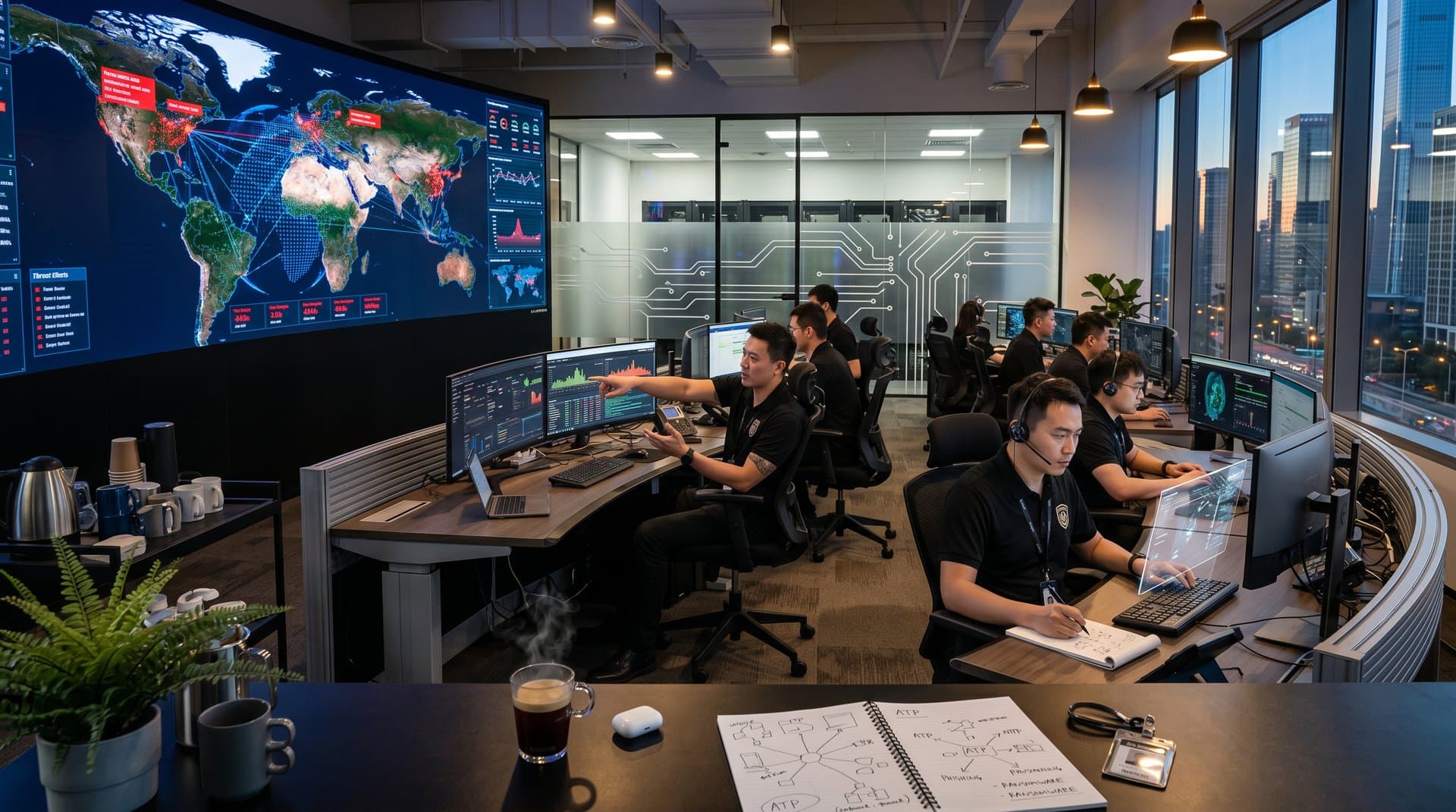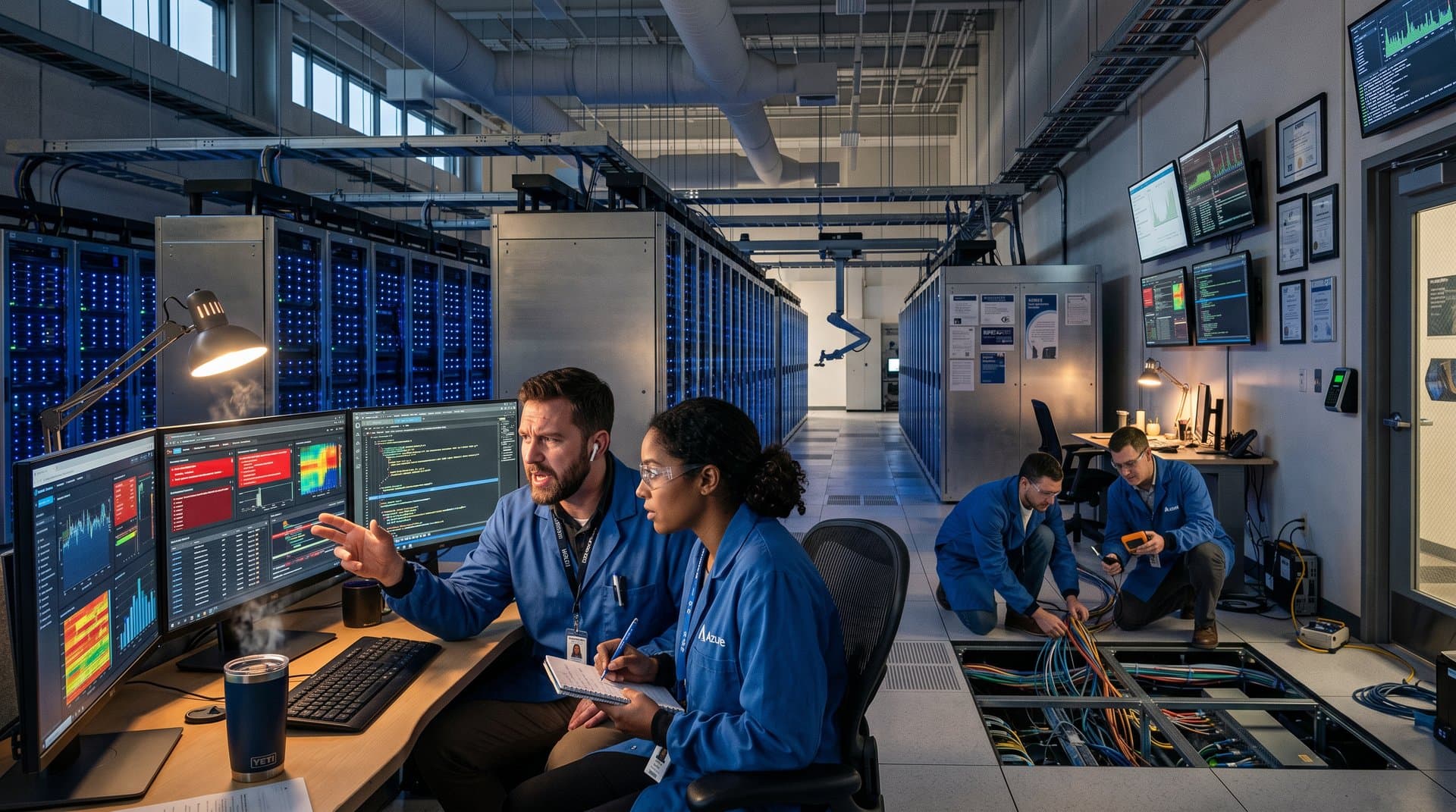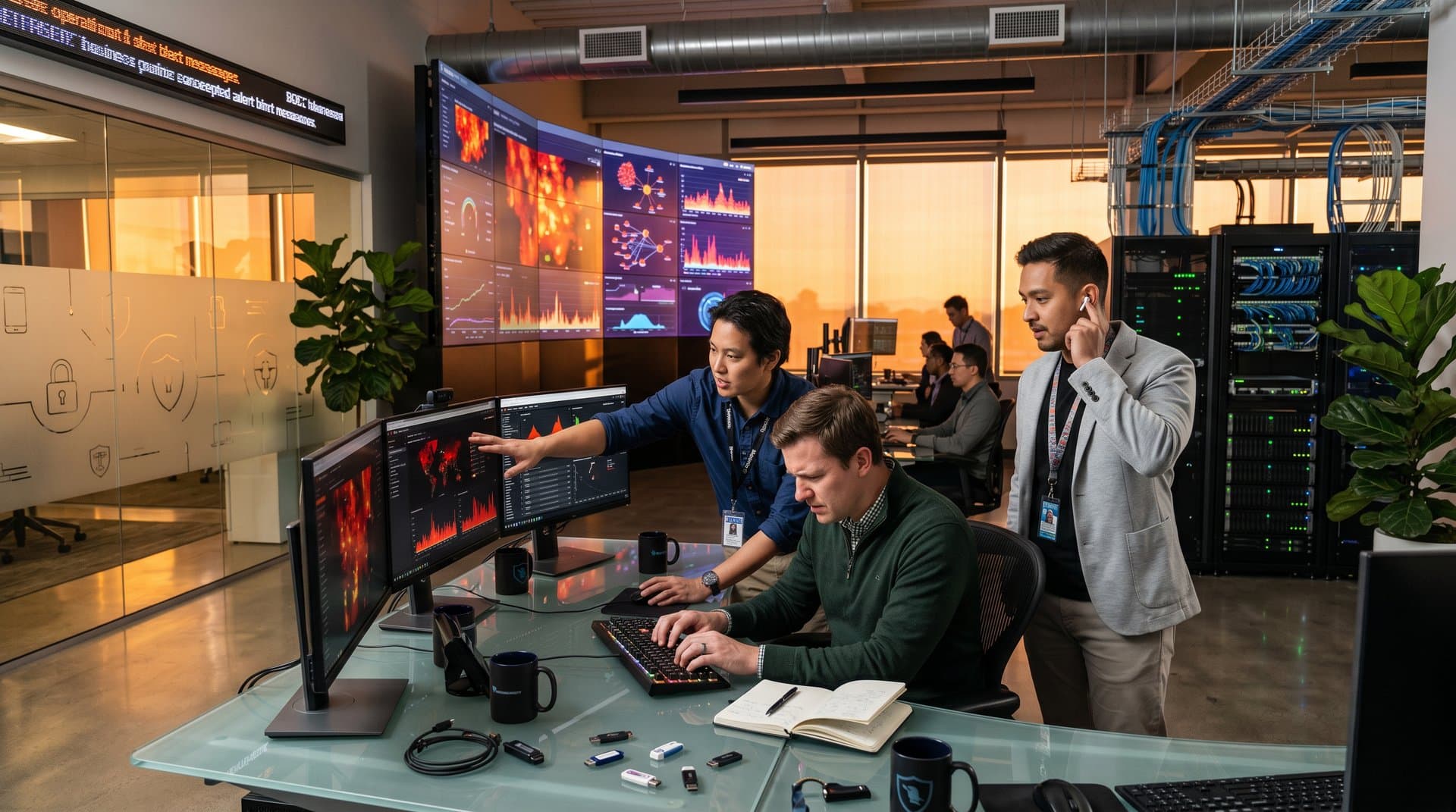
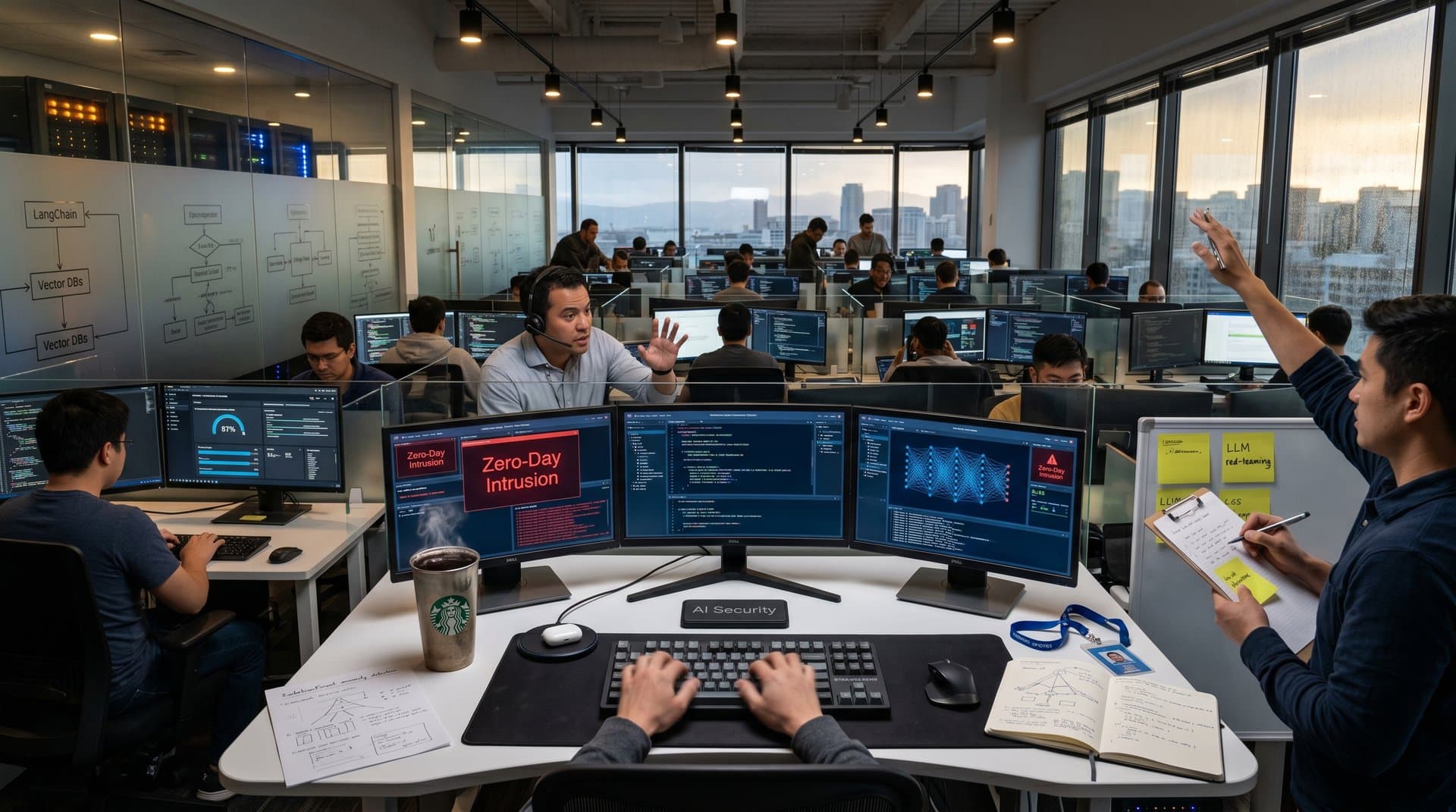
- 4M cybersecurity coder shortage cripples Western AI innovation.
- China invests $47B, luring 20% more US talent with better infrastructure.
- BTC at $78,035; Fear & Greed 33 signals funding caution.
Western AI startups face a 4 million coding drought in cybersecurity roles. Software talent flees to China. This shift stalls secure AI architectures and model training pipelines, per CSO Online projections.
US firms like OpenAI and Anthropic report hiring struggles for low-level coders skilled in vulnerability assessment. Chinese giants Alibaba and Tencent offer roles in transformer model optimization and zero-trust security implementations. This talent drain mirrors past manufacturing offshoring trends. Delayed cybersecurity tools expose AI systems to exploits.
Crypto markets reflect caution. The Fear & Greed Index sits at 33 (Fear zone), according to Alternative.me data. Bitcoin trades at $78,035 USD, up 0.3%. Ethereum reaches $2,335.99 USD, up 0.7%. Investors pull back amid innovation lags, delaying DeFi security audits.
China Lures 20% More Western AI Coders with Infrastructure Billions
China pours $47 billion into AI infrastructure via state programs, drawing PyTorch and TensorFlow specialists, as noted by MIT Technology Review. US developers encounter H-1B visa delays and high Silicon Valley living costs exceeding $100,000 annually.
Beijing hubs provide petabyte-scale datasets for large language model (LLM) fine-tuning. Baidu deploys custom ASICs for low-latency inference, cutting costs by 30% versus NVIDIA GPUs. Western engineers accelerate China's AI threat detection systems, strengthening defenses against adversarial attacks.
US startups wait 6-9 months to hire for secure multi-agent frameworks using LangChain or AutoGen. Relocations cite better work-life balance and family ties in Asia. This exodus depletes skills in red-teaming LLMs against prompt injections.
Financial hit: Delayed products slash startup valuations by 15-25%, per TechCrunch analysis of hiring woes.
Coding Drought Halts Custom Cybersecurity Defenses
AI firms require elite coders for defenses against prompt injection and data poisoning. Shortages push reliance on off-the-shelf libraries like Hugging Face Transformers, prone to supply-chain attacks.
China advances autonomous security agents with reinforcement learning (RL) policies trained on simulated exploits. Western teams lag, increasing breach risks costing firms $4.45 million per incident, per IBM data.
Production-ready Python code for network anomaly detection employs supervised isolation forests:
```python import numpy as np from sklearn.ensemble import IsolationForest
model = IsolationForest(contamination=0.1, random_state=42) model.fit(baseline_traffic)
def detect_anomaly(traffic_sample): prediction = model.predict(traffic_sample]) return prediction0] == -1 # -1 flags anomaly, potential zero-day ```
This snippet uses scikit-learn 1.5+ best practices. Chinese teams refine it for firewalls, reducing detection latency by 25% in benchmarks from Baidu reports. Western scaling stalls without talent.
Offshoring erodes core competencies. Low-code tools like Retool automate basics, but elite threat modeling vanishes, hiking R&D costs 40%.
Talent Drain Raises Funding Risks for AI Startups
Startups pivot to no-code platforms like Bubble.io for minimum viable products (MVPs). These crumble under sophisticated attacks, failing Series B security audits.
Enterprises like CrowdStrike acquire AI talent via $3.4 billion deals, consolidating power and slowing open innovation. Palo Alto Networks integrates AI but faces similar shortages.
China surges ahead. Huawei embeds generative AI in endpoint detection, hiring ex-Google engineers. US CFIUS blocks investments, isolating startups.
MIT Technology Review details China's poaching of 10,000+ AI experts since 2022. TechCrunch reports startups training juniors internally, burning $500K per cohort.
CSO Online forecasts the 4 million global cybersecurity gap widens to 4.8 million by 2025 without intervention.
Crypto Markets Echo AI Talent Crisis
Talent gaps delay secure smart contract auditors for DeFi protocols. XRP trades at $1.43 USD (-0.5%). BNB at $631.86 USD (-0.9%), per CoinGecko.
USDT holds $1.00 USD stablecoin peg. Unaudited code risks flash loan exploits, as seen in $600M Ronin hack. Fear & Greed at 33 ties to these vulnerabilities.
Investors demand proof-of-security; shortages cut VC funding 20% for AI security rounds.
Policy Fixes to End Coding Drought
US policymakers expand H-1B visas by 20,000 slots and fund $2 billion in STEM via CHIPS Act extensions. Universities launch Rust-based enclave training for confidential computing.
Firms invest in upskilling via Replit collaborative IDEs and 12-week bootcamps on WebAssembly for secure edge AI.
Reversing the flow ends the coding drought. Western AI startups regain edge in verifiable AI safety, boosting investor confidence and crypto infrastructure resilience.
Frequently Asked Questions
What drives the 4M coding drought in Western AI startups?
Talent flees to China for $47B infrastructure and pay. H-1B delays worsen secure AI pipeline gaps, per CSO Online.
How does coding drought impact cybersecurity innovation?
No coders for custom defenses like IsolationForest anomaly detection. China leads with 25% faster agents; West risks $4.45M breaches.
Why does China attract Western software talent?
Petabyte datasets, custom chips cut costs 30%. Better balance draws experts to Alibaba, Baidu, per MIT Technology Review.
How does coding drought connect to crypto markets?
Fear & Greed at 33 amid delays in DeFi auditors. BTC $78,035 holds; gaps risk exploits like $600M Ronin.