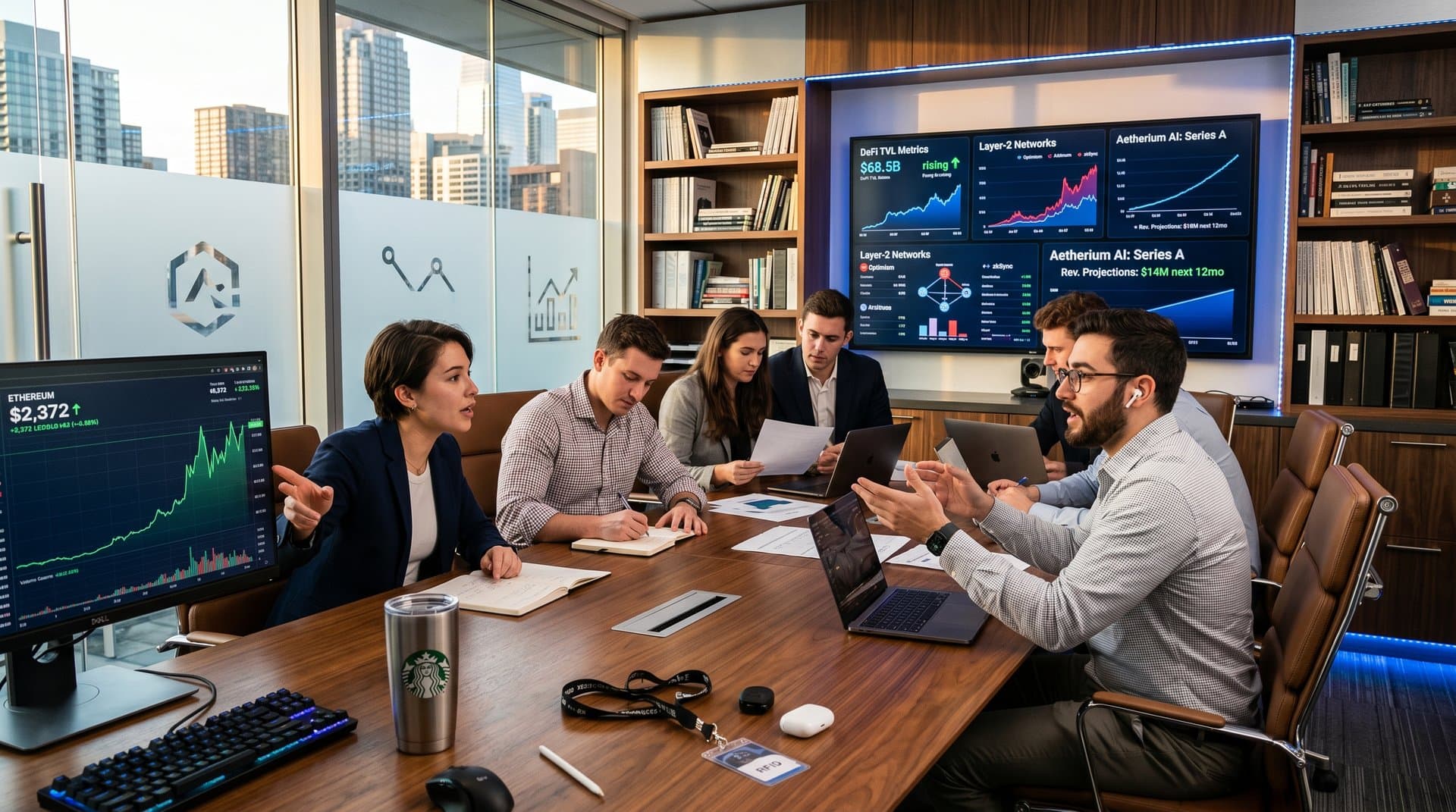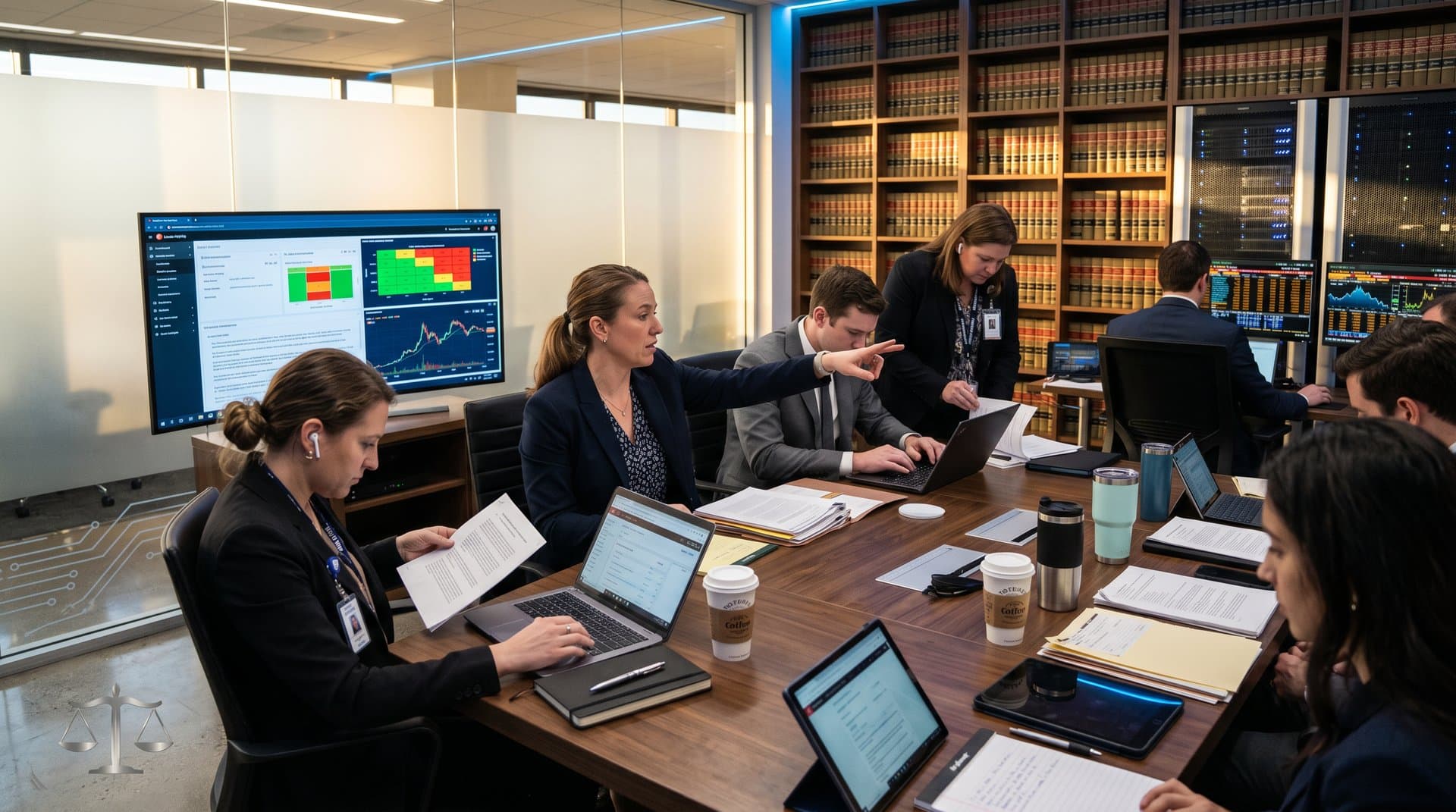

- 1. OpenAI trial contrasts Musk's nonprofit ideals with execs' hybrid funding for AGI.
- 2. Crypto Fear & Greed at 26 amid Bitcoin's 1.3% drop to $76,322 USD.
- 3. Governance fixes like charters could save AI startups $10M in disputes.
The OpenAI trial started January 20, 2026. Elon Musk sued executives, accusing them of abandoning nonprofit roots for profit motives. Leaders countered with evidence of early hybrid plans to fund artificial general intelligence (AGI). The New York Times detailed these clashing arguments.
Alternative.me's Crypto Fear & Greed Index hit 26, signaling extreme fear, on January 22. CoinMarketCap reported Bitcoin down 1.3% to $76,322 USD. Ethereum fell 0.6% to $2,288.73 USD. Investors view AI governance disputes as risks to high-valuation tech stocks.
Musk's Nonprofit Vision Versus OpenAI's Hybrid Model
Musk testified OpenAI launched as a 2015 nonprofit to counter Google DeepMind. Founders pledged open-source code and capped 100x investor returns for safety. OpenAI's charter confirms nonprofit start but permits for-profit arms to raise capital.
Co-founder Greg Brockman stated Musk endorsed for-profit spinoffs before leaving in 2018. CEO Sam Altman stressed $100 billion compute needs to rival Anthropic and xAI. Reuters filings cite court emails supporting this pivot.
Musk claims Microsoft's $13 billion investment violated caps. OpenAI points to Delaware laws allowing unlimited funds for GPU clusters over 100,000 NVIDIA H100s, each costing $40,000 USD and drawing 700W power.
Nonprofit-to-Profit Shifts Transform AI Startups
OpenAI's 2019 for-profit unit created a template. AI startups often start nonprofit for tax breaks and grants, then add profit layers for VC scaling. These hybrids trigger founder-investor fights over control.
Governance experts urge charters with triggers, such as $50 million compute thresholds for changes. Verbal deals fail at scale. TechCrunch analyzed how verbal pacts fail in high-stakes AI ventures.
XRP dropped 1.3% to $1.38 USD. BNB stayed at $624.68 USD, supported by utility demand. CoinMarketCap tracked these moves amid broader crypto caution.
Compute Demands Force AI Governance Changes
Frontier AI models require $100 million-plus yearly GPU costs. A 100,000 H100 cluster demands $4 billion capex and megawatts of power, sourced from grants or VCs. Nonprofits limit funds; for-profits attract billions.
Musk's donor status without equity fueled breach allegations. Startups now use dual-class shares, locked conversions, and mission auditors. A Musk win might delay shifts by 12-18 months, raising $500 million-plus in lost VC for peers.
OpenAI's model echoes Ethereum ETF approvals in July 2024, mixing rules with growth. USDT held at $1.00 USD. Fear persists without strong governance.
Financial Impacts Hit AI Valuations
The trial erodes OpenAI's $150 billion valuation. Investors fear mission drift dilutes AGI safety, key to $1 trillion market potential. Sequoia Capital and Andreessen Horowitz add nonprofit sunset clauses and pivot vetoes to term sheets.
Anthropic caps profits at 75%; xAI takes pure VC routes. OpenAI's Azure partnership scaled ChatGPT to 200 million users, yielding $3.7 billion annualized revenue at 30% margins.
Wired reported investor demands for MOUs and audits. Delaware rulings will shape hybrids, balancing safety and speed. Post-verdict, AI stocks could swing 10-15%.
Investor Takeaways from OpenAI Governance Fight
Require equity clarity and metrics audits upfront. VCs now price governance risks into 20-30% valuation discounts for nonprofit hybrids. Bitcoin's dip reflects broader tech fear, with AI funding rounds down 15% quarter-over-quarter per PitchBook.
Strong charters cut legal costs by 40%, saving $10 million per dispute. Watch for copycat suits at Cohere and Inflection. Robust structures unlock $50 billion in 2026 AI investments.
Frequently Asked Questions
What are the two origin stories in the OpenAI trial?
Musk claims strict nonprofit for open-source safety. Executives describe hybrid evolution to fund AGI, backed by emails.
How does OpenAI trial impact AI startup governance?
Trial urges codified transitions, independent directors, and mission audits. Investors demand sunset clauses.
Why do AI startups shift from nonprofit to profit?
Nonprofits limit scaling; profits fund $100M+ GPU needs, as in OpenAI's Microsoft deal.
What governance lessons for AI investors from OpenAI trial?
Equity clarity, pivot vetoes, and metrics audits. Verdict may endorse or chill hybrids.