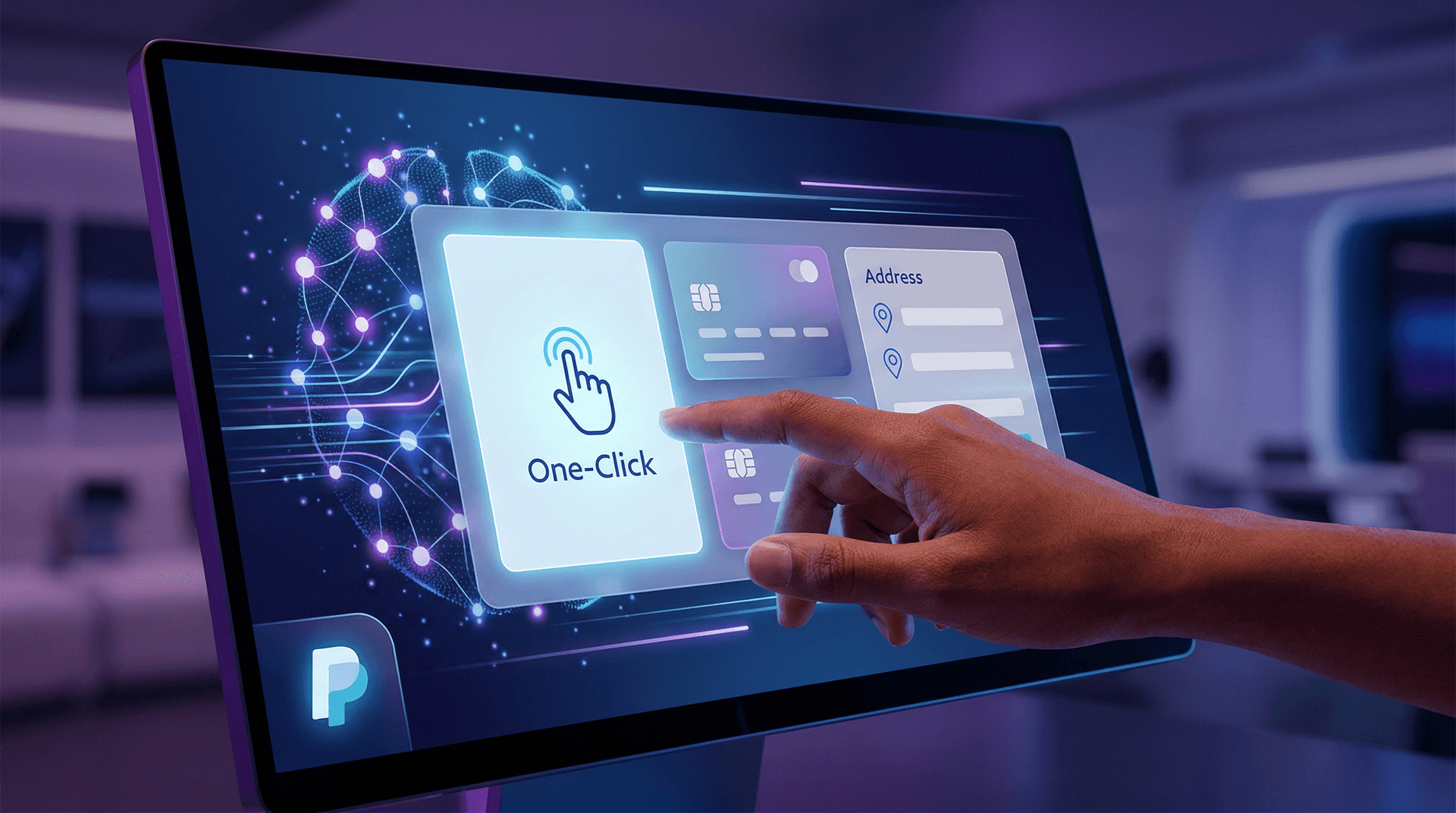
In a bold move to reclaim ground in the fiercely competitive e-commerce payments landscape, PayPal announced Fastlane on October 2, 2023. This new AI-enhanced guest checkout experience promises to deliver lightning-fast, one-click purchases without requiring users to create an account. By leveraging machine learning to securely store and recall payment and shipping information, Fastlane addresses one of online retail's biggest pain points: cart abandonment.
The Problem Fastlane Solves
Cart abandonment remains a persistent headache for merchants. According to Baymard Institute's 2023 data, the average abandonment rate hovers around 70%, with lengthy checkouts cited as a top culprit. Traditional guest checkouts often demand repetitive form-filling—name, address, card details—leading to friction and drop-offs. PayPal's Fastlane flips this script.
Here's how it works: When a shopper first uses Fastlane on a participating merchant site, they enter their details once. PayPal's machine learning algorithms then tokenize and encrypt this data, creating a secure profile. On subsequent visits to any Fastlane-enabled site, the system auto-fills everything with a single click. No login, no hassle. Privacy is paramount; users control their data via PayPal's dashboard, with options to edit or delete profiles anytime.
Early beta tests with select merchants reported checkout times reduced by up to 40%, with conversion lifts in the double digits. "Fastlane is designed to make buying as effortless as possible," said PayPal President and CEO Dan Schulman in the announcement. "It's a game-changer for merchants fighting abandonment while respecting consumer privacy."
Tech Under the Hood: AI and Machine Learning
At its core, Fastlane harnesses PayPal's vast data trove from 400 million active accounts and billions of transactions. Machine learning models predict and pre-populate fields intelligently—guessing shipping addresses based on past behavior or IP location, validating cards in milliseconds. This isn't rudimentary autocomplete; it's adaptive AI that learns from anonymized patterns across the ecosystem.
Security is fortified with tokenization, PCI DSS compliance, and PayPal's proprietary fraud detection, which processes 10 million risk decisions per minute. In an era of rising cyber threats—ransomware attacks on fintech surged 20% in 2023 per Chainalysis—Fastlane's architecture minimizes exposure by never storing full card data on merchant servers.
Merchant Integrations and Rollout
Fastlane isn't a standalone plugin; it's embedded via simple APIs into major platforms. Initial partners include BigCommerce, Shopify, and Wix, with broader availability planned for 2024. Merchants gain a branded PayPal button that triggers the magic, supporting cards, PayPal balance, Venmo (U.S. only), and more.
For startups and small businesses, this levels the playing field. No need for expensive custom payment gateways; Fastlane's plug-and-play reduces development costs by 50%, per PayPal estimates. Larger players like BigCommerce CEO Brent Bellm hailed it: "Paired with BigCommerce's Stencil theme framework, Fastlane will supercharge checkout performance."
The beta launched immediately for U.S. merchants, with international expansion teased. PayPal's timing is strategic—holiday shopping looms, and competitors like Stripe and Adyen are pushing similar frictionless flows.
Competitive Landscape: Apple Pay, Stripe, and Beyond
Fastlane enters a crowded arena. Apple's Passkeys and Tap to Pay lead mobile one-click, but they're device-locked. Google Pay and Samsung Wallet offer cross-app continuity, yet lack PayPal's merchant ubiquity (accepted at 26 million locations).
Stripe's Checkout uses elements of AI for optimization, but requires accounts for full speed. Shopify Payments bundles one-click for logged-in users, but guests wait. Amazon Pay dominates its ecosystem, though portability is limited.
PayPal differentiates with universal guest access—no app or wallet needed—and cross-merchant persistence. Imagine buying shoes on Shopify, then electronics on BigCommerce; Fastlane remembers you seamlessly. This network effect, fueled by PayPal's scale, could erode rivals' edges.
Critics note potential privacy concerns. While opt-in and GDPR-compliant, data aggregation invites scrutiny. PayPal counters with granular controls and no-selling policies, aligning with CCPA trends.
Broader Implications for Fintech and Startups
Fastlane underscores AI's fintech pivot. Beyond payments, expect AI in underwriting (e.g., Upstart's models), fraud (Feedzai's platforms), and personalization (Klarna's buy-now-pay-later). Startups like Ramp and Brex integrate AI for spend analytics; Fastlane could inspire payment-native AI layers.
For cybersecurity, it's a double-edged sword. Faster flows mean more transactions, amplifying attack surfaces. PayPal's edge AI processes threats at the network level, but merchants must stay vigilant—phishing spiked 15% in Q3 2023 (APWG).
Venture implications? Fintech funding cooled post-2022, but AI plays bucked trends. Ramp's $300M raise (Oct 17) valued it at $7.6B; Fastlane signals incumbents innovating, pressuring startups to AI-up or consolidate.
Future Outlook
PayPal eyes biometric logins and crypto integrations (PYUSD launched Sept 2023). Schulman hinted at Web3 pilots, blending AI with blockchain for programmable payments.
Challenges loom: Regulatory heat on Big Tech (EU DMA), recession fears curbing spend. Yet, e-commerce hit $1T U.S. sales in 2023 (Statista); Fastlane positions PayPal to capture more.
In sum, Fastlane isn't just tech—it's a bet on frictionless commerce. Merchants adopting early could see 2023 Q4 surges; laggards risk obsolescence. PayPal, once dubbed dinosaurs, roars back with AI muscle.
Word count: 912