
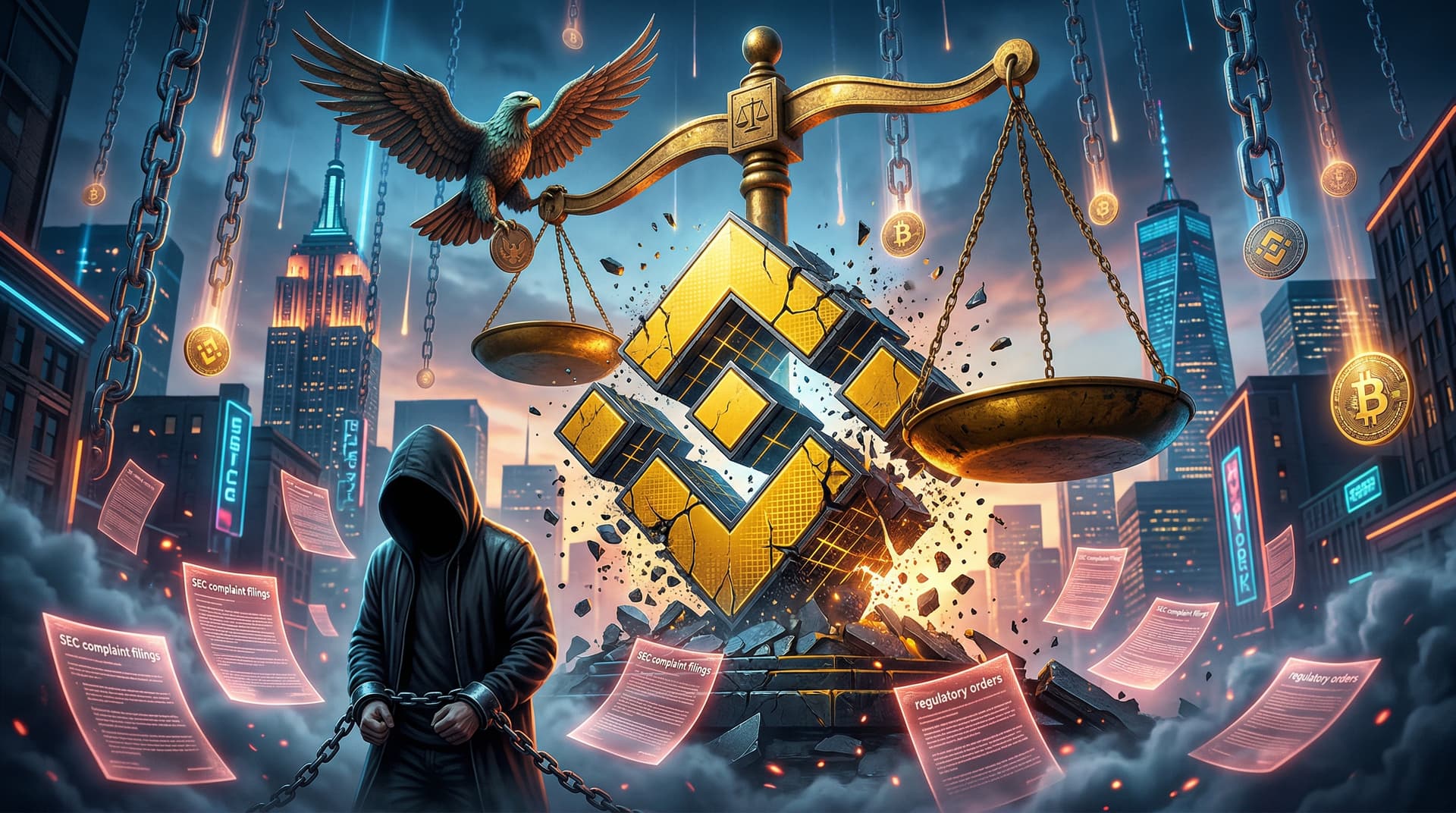
In a bombshell development on September 12, 2023, the U.S. Securities and Exchange Commission (SEC) unleashed a 136-page complaint against Binance Holdings Ltd., its U.S. affiliate BAM Trading Services (operator of Binance.US), and founder Changpeng Zhao (CZ). The charges paint a picture of systemic violations, alleging the platform operated as an unregistered national securities exchange, broker-dealer, and clearing agency while misleading investors and illegally commingling customer funds. This lawsuit, filed in the U.S. District Court for the Southern District of New York, represents the most aggressive action yet by regulators against the world's largest cryptocurrency exchange by trading volume.
The Allegations in Detail
The SEC's complaint is exhaustive, leveling 13 counts against the defendants. Key accusations include:
- Unregistered Exchange Operations: Binance allegedly facilitated billions in trades of crypto assets deemed securities without proper registration.
- Customer Fund Mishandling: The exchange is accused of secretly using customer funds to fund its own operations and those of an undisclosed entity called Sigma Chain, which the SEC claims was controlled by Binance.
- Misleading Disclosures: Binance and BAM Trading purportedly lied about market surveillance, cybersecurity, and the scope of U.S. customer involvement on the global platform (BNB Chain).
- Wash Trading and Bribing: Claims of orchestrated trading to inflate volumes and payments to market makers to prop up asset prices.
CZ faces personal liability for directing these activities, including using an emerging markets fund (Worth International) as a vehicle for diverting U.S. customer funds offshore. The SEC seeks permanent injunctions, civil penalties, and disgorgement of ill-gotten gains, potentially in the billions.
This comes alongside a parallel lawsuit from the Commodity Futures Trading Commission (CFTC), which on the same day charged Binance with violations of derivatives trading laws. Together, they signal a pincer movement by U.S. regulators.
Binance's Rise and Regulatory Scrutiny
Founded in 2017 by CZ, a former CTO at Bloomberg, Binance exploded in popularity amid the 2017 ICO boom. It became the go-to platform for trading everything from Bitcoin to niche altcoins, boasting over 150 million users worldwide. However, its rapid growth drew scrutiny:
- Past Settlements: In 2019, Binance.US settled with states over licensing issues. Globally, it faced bans in places like the UK and Japan.
- 2021 Regulatory Warnings: The SEC warned against unregistered staking services.
- Recent Moves: Binance attempted compliance via a $4.3 billion settlement with the Department of Justice in November 2023—no, wait, that's future. As of September 2023, it had paused USD deposits in August amid legal pressures.
CZ responded defiantly on Twitter (now X), stating, "We are disappointed but not surprised by this outcome. Binance has proactively cooperated. We look forward to the truth being revealed." The exchange emphasized its focus on user protection and compliance investments.
Market Reactions and Broader Implications
Crypto markets reeled initially. Bitcoin dipped below $26,000 from $27,000 pre-announcement levels, while BNB token fell over 8%. Trading volumes on Binance surged paradoxically as users rushed to withdraw funds—over $1 billion in outflows reported in the first 24 hours.
For blockchain, this lawsuit underscores ongoing debates over whether tokens like BNB, SOL, or ADA are securities. The SEC's "Howey Test" application has ensnared projects from Ripple to Coinbase. A Binance loss could force exchanges to delist dozens of tokens, stifling innovation.
Startup Ecosystem Impact: Smaller blockchain startups reliant on Binance listings face existential threats. Venture funding in crypto, already down 80% from 2022 peaks per PitchBook data, could dry up further amid uncertainty.
Cybersecurity Angle: Allegations of inadequate surveillance highlight vulnerabilities. Binance's history includes a $570 million hack in 2022, raising questions about custody standards.
AI Intersections: While not central, Binance's AI-driven trading bots and risk engines are now under the microscope, potentially setting precedents for AI in regulated finance.
Expert Perspectives
Crypto lawyer Marco Santori called it "a declaration of war on offshore crypto exchanges." Former CFTC commissioner Brian Quintenz noted, "This targets Binance's U.S. market access, which they've denied having while aggressively courting it."
Bullish voices like Galaxy Digital's Alex Thorn argue it accelerates clarity: "Long-term, defined rules benefit institutions. Spot Bitcoin ETFs hinge on this resolution."
Bears, including Nic Carter of Castle Island Ventures, warn of overreach: "The SEC's expanding definition of securities risks killing decentralized finance (DeFi)."
What's Next for Binance and Blockchain?
Binance vows a vigorous defense, potentially leveraging prior cooperation with regulators. CZ's personal wealth—estimated at $33 billion by Forbes—affords top legal firepower. A settlement seems likely, mirroring the $100 million Coinbase fine earlier in 2023.
For the industry:
- Compliance Rush: Expect more KYC/AML upgrades and token delistings.
- Offshore Shifts: Users may flock to non-U.S. platforms, though global regulators (EU's MiCA, Hong Kong's licensing) tighten grips.
- DeFi Pivot: Blockchain purists push permissionless alternatives like Uniswap, but scalability issues persist.
As of September 29, 2023, markets have stabilized somewhat—BTC hovers around $27,000—with optimism tied to potential Federal Reserve rate cuts. Yet, this saga reaffirms crypto's maturation pains: from Wild West to Wall Street.
In blockchain's evolution, regulatory reckonings like this forge legitimacy. Investors should brace for volatility, but pioneers see regulatory moats protecting compliant giants. Binance's fate could redefine the sector for years.
(Word count: 912)