
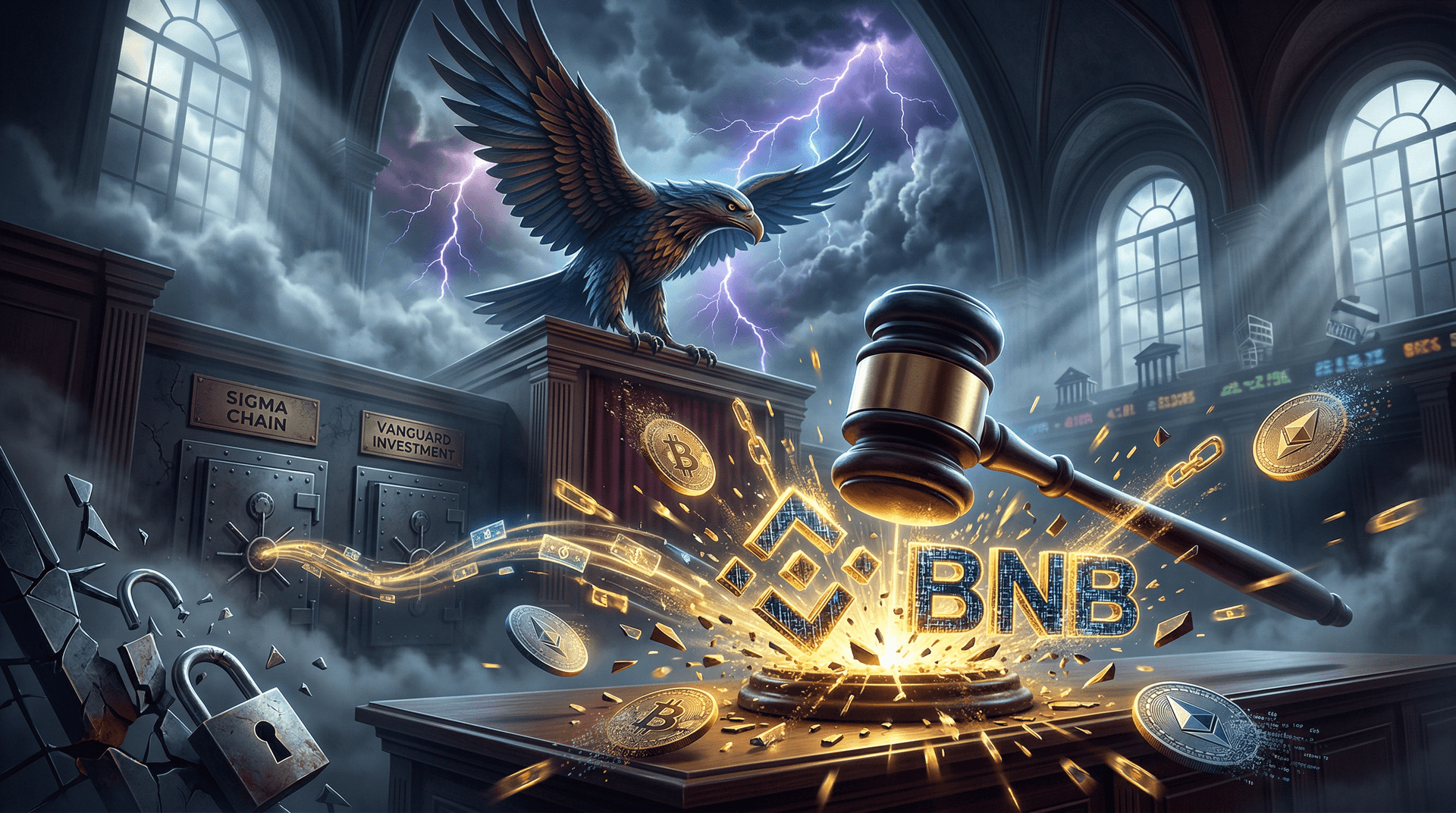
In a bombshell development on June 5, 2023, the U.S. Securities and Exchange Commission (SEC) filed a comprehensive lawsuit against Binance Holdings Ltd., its U.S.-based sister company BAM Trading Services (operator of Binance.US), and founder Changpeng Zhao (CZ). The 136-page complaint accuses the world's largest cryptocurrency exchange by trading volume of operating as an unregistered securities exchange, broker, and clearing agency, while engaging in deceptive practices that allegedly defrauded investors of billions.
The Allegations Unpacked
The SEC's case centers on several core violations:
- Unregistered Exchange Operations: Binance allegedly facilitated trading of crypto assets classified as securities, including its native BNB token, without proper registration. The regulator claims over 40 tokens on the platform meet the Howey Test criteria for investment contracts.
- Fund Mishandling: A staggering accusation involves Binance secretly diverting customer funds to an entity called Sigma Chain, an offshore vehicle controlled by Zhao. This commingling of funds purportedly exposed users to undisclosed risks, including billions in trading losses.
- Artificial Volume Inflation: The complaint details 'wash trading' schemes where Binance entities traded against themselves to fabricate volumes, misleading investors about market liquidity.
- Binance.US Mismanagement: Even the U.S.-regulated arm is implicated, with claims of funneling billions in customer assets to Zhao-controlled wallets without oversight.
These allegations paint a picture of systemic non-compliance, with the SEC seeking permanent injunctions, disgorgement of ill-gotten gains, and civil penalties potentially exceeding $4 billion.
Binance's Swift Response
CZ and Binance fired back almost immediately via blog posts and social media. "We have been proactively strengthening our compliance but the SEC's agenda here is crystal clear," CZ stated on Twitter. The exchange emphasized its cooperation with global regulators, highlighting licenses in multiple jurisdictions and a new U.S. compliance entity, Build & Build LLC, announced just weeks prior.
Binance.US, now operating independently amid prior settlements, reiterated its separation from global operations and commitment to American users. CEO Brian Armstrong—no relation to Coinbase's—underscored robust internal controls post-2021 separations.
Broader Context: Coinbase in the Crosshairs
This isn't isolated. On June 6, the SEC sued Coinbase, alleging similar unregistered exchange activities for 13 crypto assets. Combined, these suits represent the most aggressive enforcement wave against crypto incumbents, following smaller actions against Kraken and Bittrex earlier in 2023. The pattern underscores Chair Gary Gensler's view that most crypto trading falls under securities laws, excluding pure Bitcoin and Ethereum commodities.
Implications for Blockchain and Startups
Regulatory Chill on Innovation
For blockchain startups, this is a wake-up call. Many layer-1 and DeFi protocols rely on token models now under scrutiny. Projects issuing utility tokens risk Howey Test pitfalls, stifling venture funding. PitchBook data shows crypto VC deals dipped 20% in Q1 2023 amid uncertainty; expect further contraction.
Global Ripple Effects
Europe's MiCA framework offers contrast, providing clarity absent in the U.S. Singapore and Dubai lure firms fleeing American regulatory fog. Binance's multi-jurisdictional pivot—relocating to Malta, then UAE—highlights this flight.
Cybersecurity and Compliance Synergies
Ironically, the suits spotlight cybersecurity needs. Alleged fund diversions echo Ronin Network's $625M hack in 2022, underscoring audits' importance. Startups like Chainalysis and Elliptic, providing blockchain forensics, stand to gain as exchanges bolster KYC/AML.
Industry Reactions
- Critics Applaud: Investor John E. Deaton hailed it as protecting retail from 'Wild West' exchanges.
- Defenders Rally: Coinbase CEO Brian Armstrong called it 'misguided,' arguing for tailored crypto legislation. The Blockchain Association vowed amicus briefs.
- Market Turbulence: BNB plunged 8% post-announcement, Bitcoin held steady above $27K amid risk-off sentiment.
Path Forward: Litigation or Legislation?
Resolution could take years, mirroring Ripple's protracted SEC battle. A Binance win might embolden exchanges; defeat could force token delistings, shrinking U.S. liquidity.
Advocates push for FIT21 (Financial Innovation and Technology for the 21st Century Act), aiming to delineate CFTC/SEC roles. Bipartisan support grows, but passage remains uncertain.
Lessons for Blockchain Builders
1. Legal Vetting Early: Consult securities lawyers pre-token launch. 2. Decentralization Defense: True DAO governance may evade 'issuer' status. 3. Offshore Strategies: Hybrid models balancing U.S. compliance with global ops. 4. Transparency Tools: On-chain analytics to preempt 'black box' claims.
As a senior tech journalist, I've covered crypto's boom-bust cycles since 2017. This SEC salvo isn't the end but a maturation rite. Blockchain's promise—decentralized finance, NFTs, Web3—endures, but only if innovators navigate this regulatory gauntlet wisely. The coming months will test resilience, potentially birthing a more legitimate, investor-friendly ecosystem.
Word count: 912