- 1. Tech giants redirect $56B capex from jobs to AI GPU farms.
- 2. Microsoft FY2024 capex jumps 60% YoY to fund H100 clusters.
- 3. Startups hire laid-off talent as Fear & Greed hits 31.
Tech giants accelerate job cuts to fund $56B in AI capex. Microsoft, Google, Amazon, and Meta build GPU farms and data centers. Fear & Greed Index hits 31 (Alternative.me). Bitcoin trades at $77,521 USD, down 0.3% (CoinGecko).
Ethereum stands at $2,315.19 USD, off 0.5%. Investors track capital flows to AI infrastructure. Startups ramp up hiring for laid-off engineers from these tech giants job cuts.
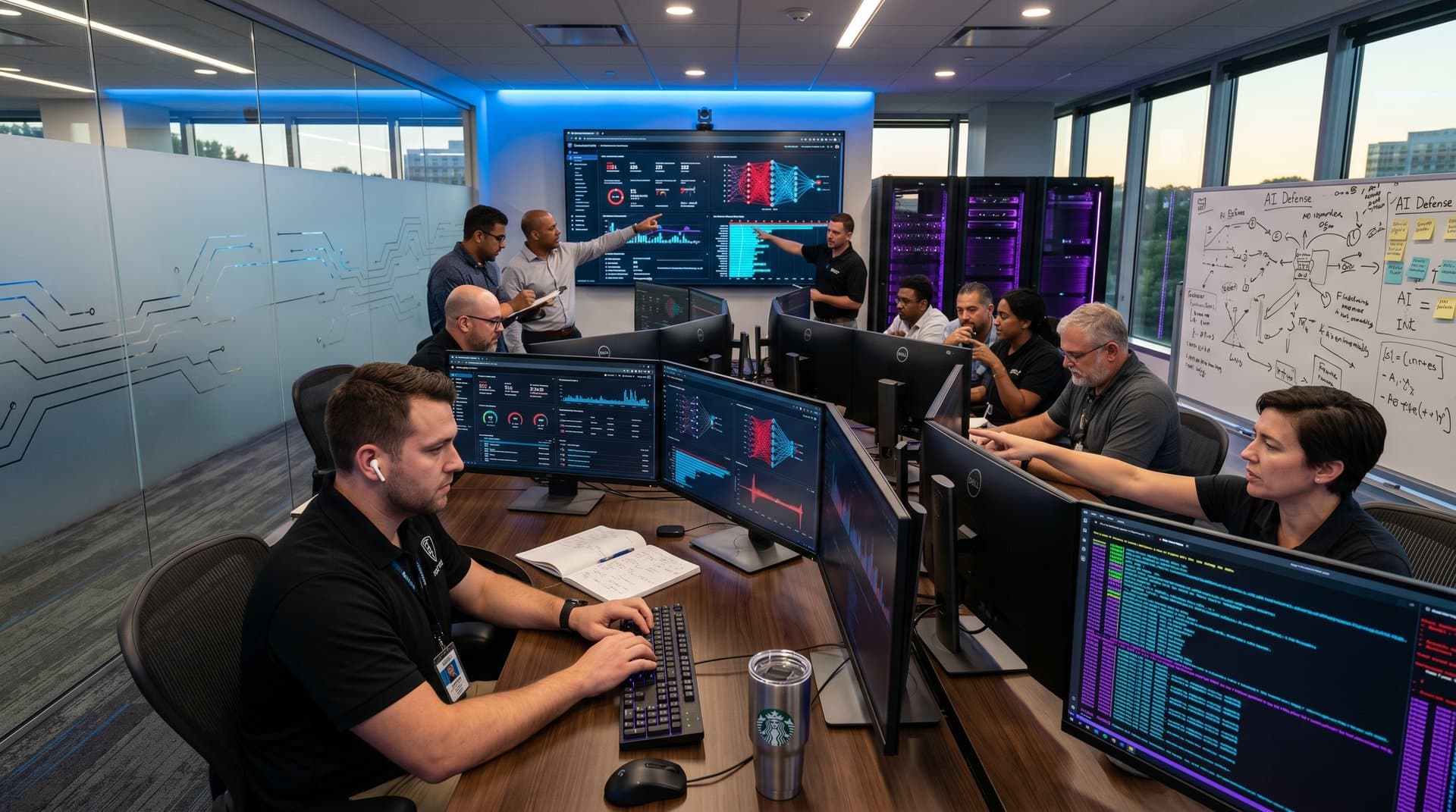
Frontier AI models demand massive compute. Training requires thousands of Nvidia H100 GPUs, each costing $30,000-$40,000, per CNBC analysis.
Tech Giants Job Cuts Fuel AI Compute Race
AI training clusters burn billions in electricity and hardware. A GPT-scale model needs 10,000+ H100s interconnected via NVLink and InfiniBand for distributed training. Google deploys custom TPU v5p pods with 8,960 chips delivering 459 petaflops BF16 performance (Google Cloud docs).
Microsoft scales Azure ND H100 v5 instances for OpenAI workloads. Amazon tunes AWS Trainium for cost-efficient training. Meta builds MTIA silicon for Llama inference.
Capex surges. Microsoft reports $56 billion for FY2024, up 60% year-over-year in its Q4 earnings call. Alphabet pledges $12 billion in Q2 2024 capex per filings. Tech giants job cuts prioritize opex savings to support these investments.
Non-AI teams suffer deepest cuts. Core engineering teams remain intact. AI copilots like GitHub Copilot boost developer productivity by 55%, per Microsoft studies.
These shifts cut annual payroll costs by an estimated $5-10 billion across the sector, redirecting funds to hardware that promises 3-5x inference efficiency gains.
GPU Farms Expand with Reallocated Funds from Tech Giants Job Cuts
Layoffs free billions for hardware procurement. Tech giants secure Nvidia's H100 supply through 2025. Microsoft signs multi-billion GPU deals with Nvidia (Bloomberg reports).
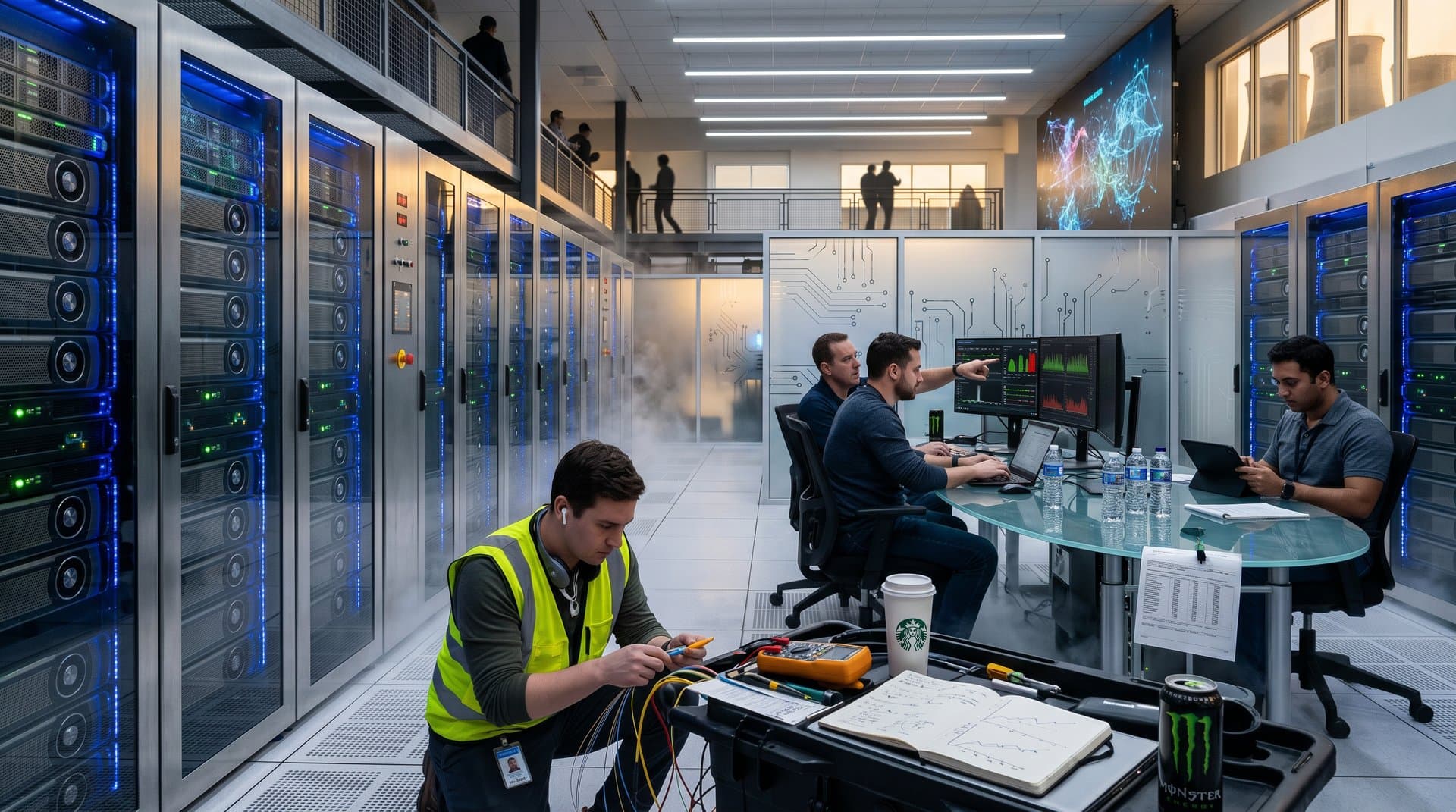
Data centers expand globally. Google builds liquid-cooled facilities in Finland targeting 1GW capacity. Amazon explores small modular reactors in Texas for nuclear-powered AI sites per announcements.
Meta partners with utilities for grid upgrades. Tier IV designs ensure 99.995% uptime. Power draw reaches 70MW for 100,000-GPU clusters—equivalent to a city of 50,000 homes—using 700W TDP per H100.
TechCrunch reports AI startups hire aggressively amid big tech layoffs from tech giants job cuts.
Anthropic recruits ex-Googlers for Claude training. xAI attracts Tesla Autopilot experts. Startups offer equity packages exceeding big tech RSUs.
Startups Capitalize on Tech Giants Job Cuts Talent Wave
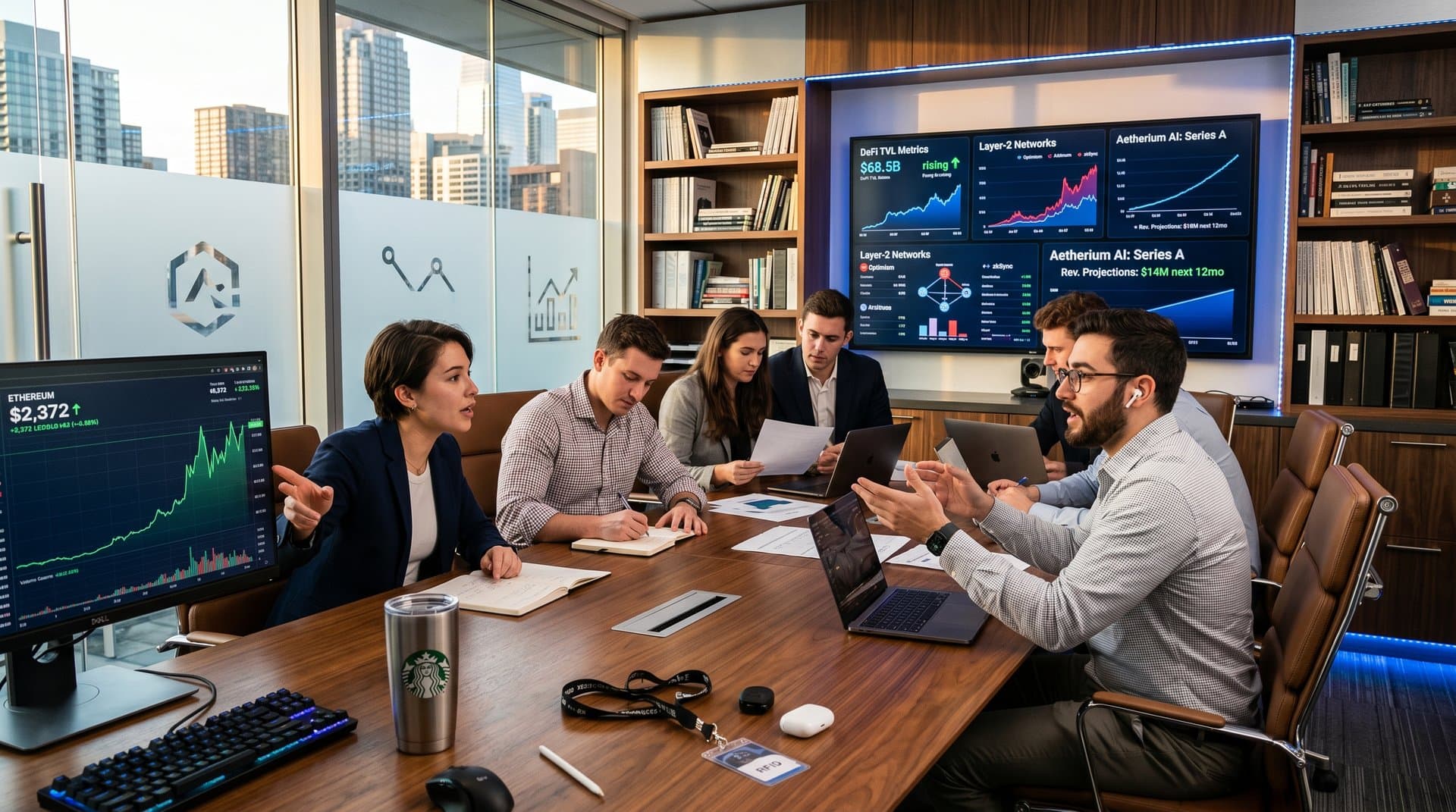
Laid-off specialists flood LinkedIn. Startups extend remote offers within days. Base salaries drop 10-20%, but equity multiples rise 3-5x.
Perplexity AI doubles engineering headcount. Runway ML absorbs video generation experts. Character.ai grabs conversational AI talent. VCs like Sequoia and a16z invest $10B+ into AI infra in 2024 (PitchBook data).
Lean teams use agentic AI to achieve 2-3x velocity. This approach delivers superior ROI compared to bloated incumbents, with startups targeting $100M+ ARR from inference services.
Fear & Greed at 31 Ties to Tech Giants Job Cuts Pressures
CoinGecko's Fear & Greed Index at 31 signals extreme fear. Bitcoin dips to $77,521 USD. Ethereum follows at $2,315.19 USD (-0.5%). XRP hits $1.42 USD (-1.2%), BNB $629.51 USD.
Crypto-AI links strengthen. Render Network decentralizes GPU rendering. Bittensor incentivizes ML models via TAO token. Reuters details Google layoffs of hundreds in engineering for AI focus.
Tech giants job cuts enforce fiscal discipline. Capex ROI depends on inference monetization. Startups thrive in turmoil. Q3 earnings will test if GPU investments deliver projected 40% cost savings at scale.
Frequently Asked Questions
How does Fear & Greed at 31 relate to tech giants job cuts?
Index at 31 signals caution over AI compute costs and bubble risks. Tech giants cut jobs to fund $56B GPU investments, linking market fear to infrastructure shifts.