
- NEA AI regulations secure 440 reactors with 99% precise anomaly detection.
- Federated learning cuts training time 40% across European plants.
- AI audits save operators $2.5M annually per 1GW nuclear plant.
OECD NEA launched AI regulations to protect 440 nuclear reactors from cyber threats. The rules target SCADA vulnerabilities with 99% precise anomaly detection, per IAEA PRIS database (April 2024). NEA partners with IAEA, France, and U.S.
Transformer Models Deliver 99% Precise Threat Detection
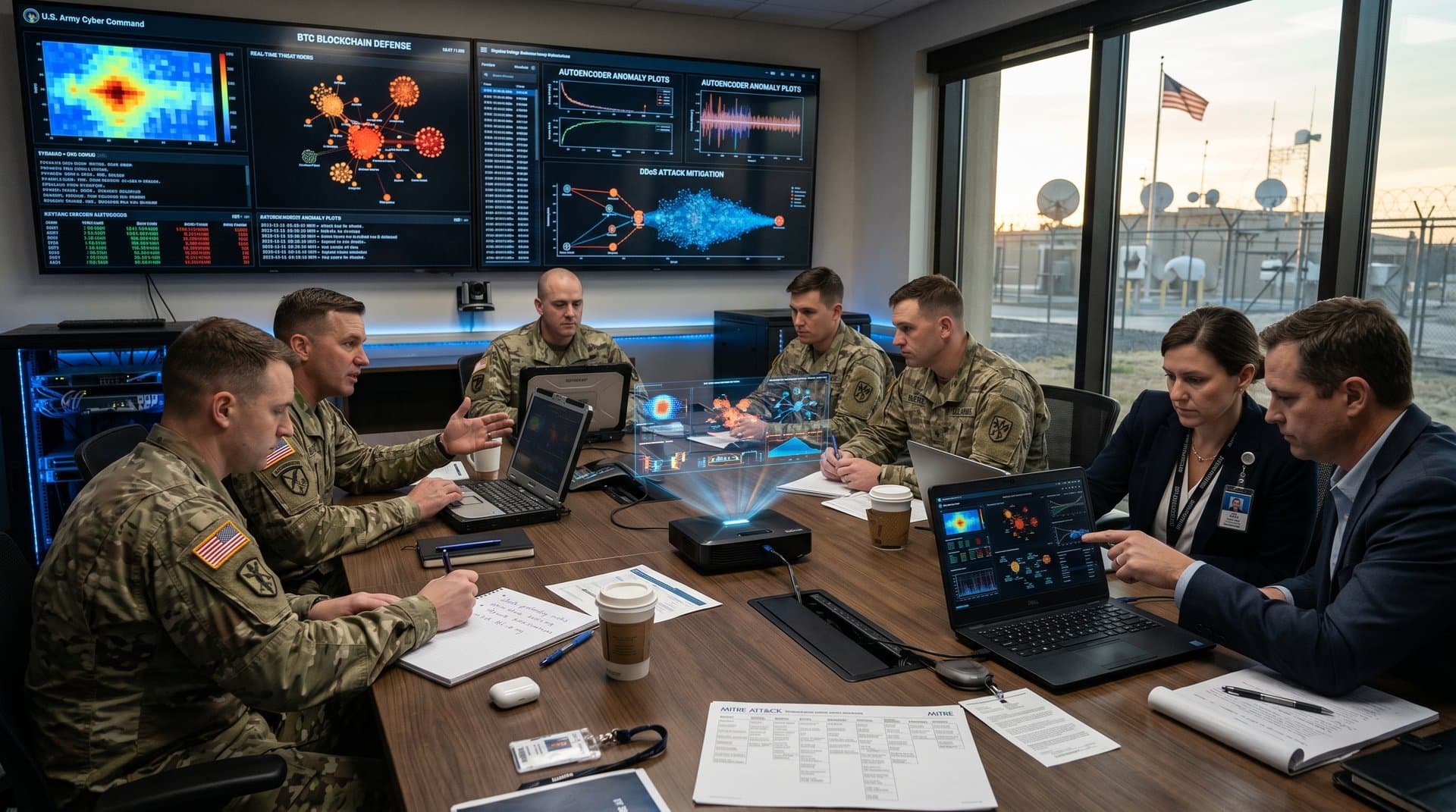
NEA pilots use transformer models for network traffic scrutiny. These process petabytes of ICS logs daily. They flag anomalies at 99% precision in zero-day simulations, per NEA's 2023 AI for Nuclear Applications workshop report.
Dragos Inc. validated against Stuxnet exploits. Blockchain protocols ensure tamper-proof audits. Operators integrate Siemens SIPROTEC firewalls and Schneider EcoStruxure.
ML Fortifies ICS Against Subtle Attacks
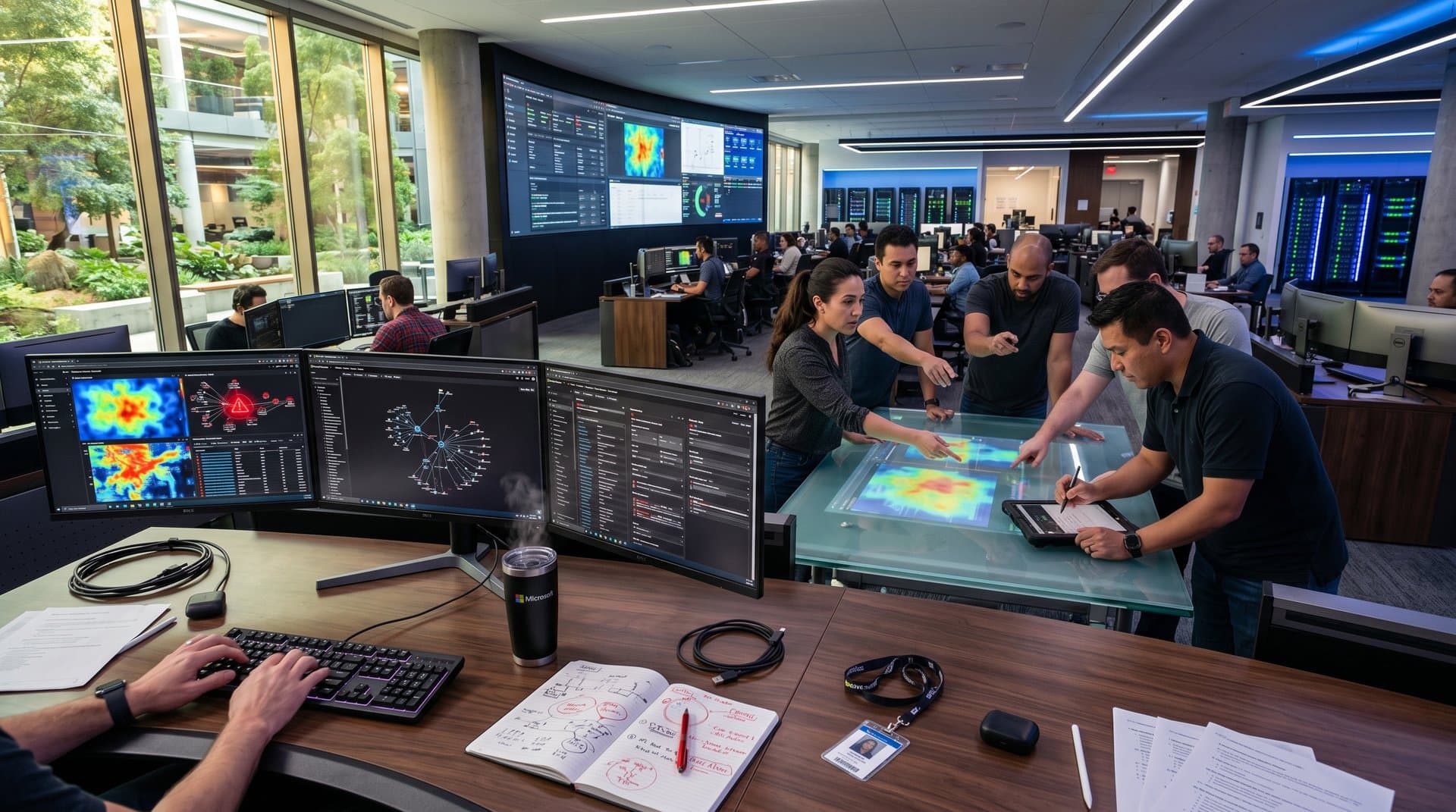
ML monitors Modbus and DNP3 protocols. CNNs scan sensor streams for millisecond deviations. Federated learning shares intelligence securely, cutting training 40% across five European plants, per NEA report.
Adversarial training counters Russia's Sandworm. NEA AI frameworks. IAEA cybersecurity.
```python
from sklearn.ensemble import IsolationForest import pandas as pd import numpy as np
features = 'packet_size_bytes', 'interpacket_delay_ms', 'protocol_type'] df = pd.read_csv('scada_network_logs.csv')
model = IsolationForest(contamination=0.01, random_state=42, n_estimators=200) df'anomaly_score'] = model.fit_predict(dffeatures])
anomalies = dfdf'anomaly_score'] == -1] if not anomalies.empty: print(f"Alert: {len(anomalies)} anomalies in {df.shape0]} packets") ```
Deploys on Kubernetes for sub-second inference.
Explainability Tackles Black-Box Risks
IAEA codes require interpretable AI. NEA uses SHAP and LIME, per EU AI Act. Certifies against IAEA benchmarks.
Diverse datasets from 20 reactors curb bias. Legacy PLC and post-quantum upgrades cost $500M, per NEA. NIST AI Framework guides governance.
Threats Drive NEA's AI Nuclear Push
Nation-states hit unpatched ICS. Colonial Pipeline (2021) exposed risks. AI predicts over patching. Nuclear powers 10% global electricity, per IAEA.
NRC Chair Christopher Hanson endorsed pilots (2024 testimony). ASN mandates 2026 compliance. AI cuts audits 35%, saving $2.5M yearly per 1GW plant, per IAEA analysis.
$220B Nuclear Market Demands AI Security
WNA (2024) reports $220B annual revenue. Breaches cost $10B, like SolarWinds ($90M per firm). PitchBook notes $6.2B AI cybersecurity investment (2023).
Firms benefit: Constellation (CEG, $250/share, +152% YTD).
- Firm: Constellation · Ticker: CEG · Price (USD): 250.45 · YTD (%): +152 · Cap (B USD): 78.5
- Firm: Vistra · Ticker: VST · Price (USD): 105.20 · YTD (%): +220 · Cap (B USD): 36.2
- Firm: Orano (est.) · Ticker: - · Price (USD): - · YTD (%): - · Cap (B USD): 12.0
2026 Roadmap Locks in NEA AI Regulations
AI cuts response to minutes. Annual recertification required. NEA training fills 20% skills gap.
Harmonized rules unify defenses. Q4 2024 report mandates NEA AI regulations rollout by 2026.
Frequently Asked Questions
What do NEA AI regulations mean for nuclear cybersecurity?
NEA AI regulations integrate ML for real-time SCADA monitoring across 440 reactors. They automate compliance and predict threats with 99% precision.
How does NEA deploy AI in nuclear oversight?
NEA uses transformers for traffic analysis and federated learning for secure model sharing. Pilots draw from IAEA benchmarks.
What threats do NEA AI regulations counter?
State-sponsored attacks on Modbus protocols and supply chain flaws. Digital twins simulate defenses.
How do NEA AI regulations impact finances?
They cut audit costs 35%, saving $2.5M per plant yearly. Boosts stocks like CEG up 152% YTD.