
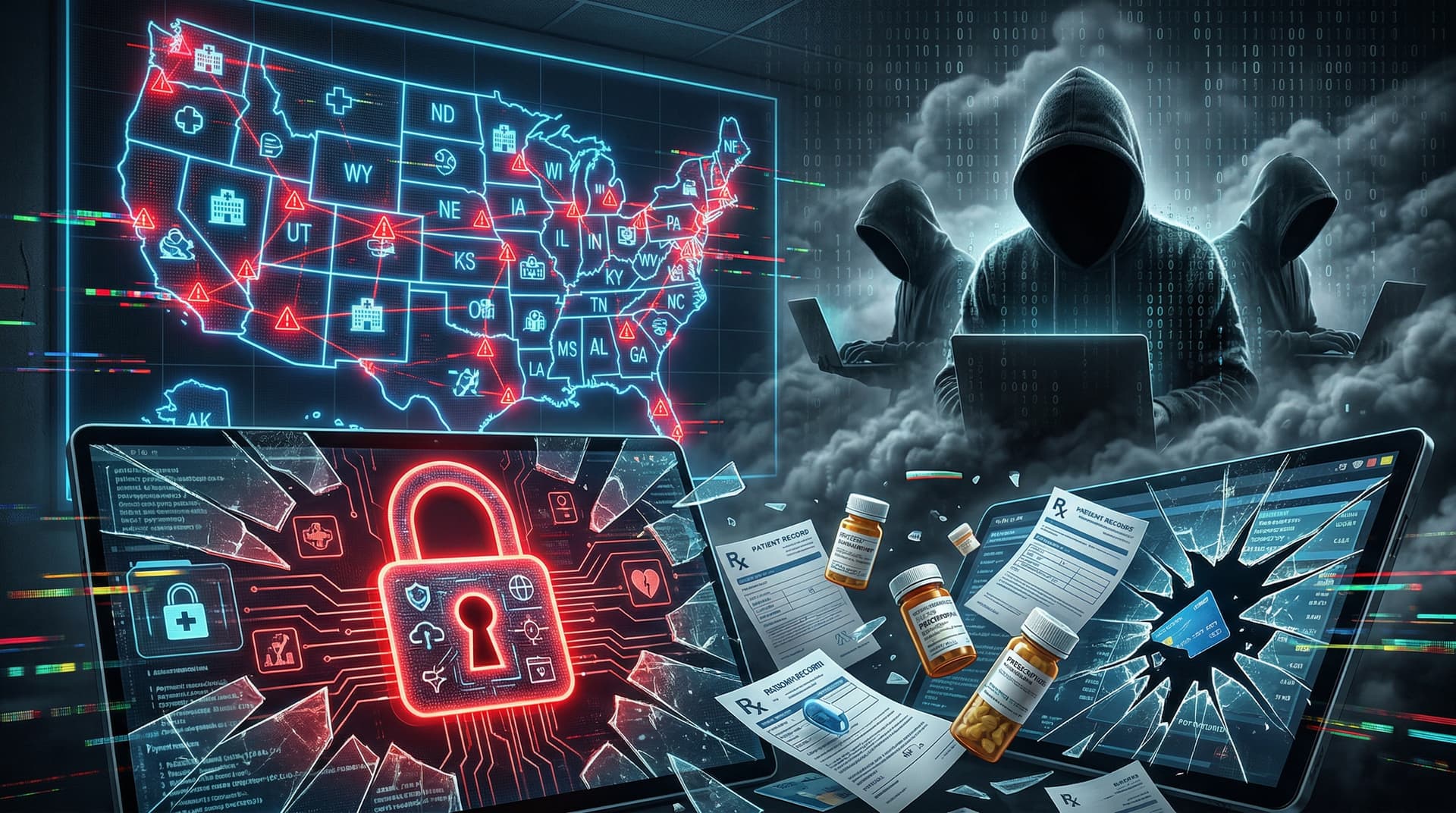
In the early hours of February 21, 2024, Change Healthcare—a pivotal subsidiary of UnitedHealth Group handling one-third of all US patient records—detected unauthorized access to its systems. What unfolded was one of the most disruptive ransomware attacks in recent history, cascading into widespread chaos for pharmacies, hospitals, and patients nationwide. By March 28, the fallout continues to reverberate, highlighting stark vulnerabilities in healthcare IT infrastructure.
The Attack Unfolds: Timeline of Disruption
Change Healthcare, which processes over 15 billion claims annually, powers critical functions like insurance eligibility checks, prescription approvals, and electronic payments. The intrusion, attributed to the notorious BlackCat (ALPHV) ransomware group, forced the company to disconnect key systems on March 1 to contain the breach. This triggered immediate blackouts:
- Pharmacies stalled: Chains like CVS, Walgreens, and independent outlets couldn't verify insurance or fill scripts, leading to cash-only policies and patients rationing medications.
- Hospitals overwhelmed: Providers like Mayo Clinic and Geisinger Health deferred non-emergency care, with some furloughing staff.
- Payments frozen: Billions in reimbursements halted, squeezing cash flow for providers already operating on thin margins.
UnitedHealth Group CEO Andrew Witty described the incident as a "multibillion-dollar" hit during a March 14 investor call, estimating direct costs at $872 million through March 31, excluding business disruption.
On March 5, the company confirmed it paid a $22 million ransom in Bitcoin to expedite decryption keys, a move criticized by cybersecurity experts but defended as necessary to restore services faster. BlackCat claimed responsibility on its dark web site, leaking samples of stolen data—including protected health information (PHI)—to pressure victims.
Attribution and the BlackCat Shadow
The US Cybersecurity and Infrastructure Security Agency (CISA), FBI, and Department of Health and Human Services (HHS) quickly mobilized. Initial indicators pointed to BlackCat, known for sophisticated attacks on critical sectors. Ironically, the group had been disrupted by international law enforcement (Operation Cronos) just days prior on February 20, with its infrastructure seized. Yet, the Change attack proceeded, suggesting insider access or pre-positioned malware.
Analysts from Mandiant and CrowdStrike noted exploitation of a Citrix Bleed vulnerability (CVE-2023-4966) in late 2023 as a possible entry point, though Change Healthcare hasn't confirmed. BlackCat's affiliate model incentivizes rapid monetization, explaining the aggressive data exfiltration: terabytes of sensitive records, including clinical notes and payment details.
Human and Economic Toll
The attack's human cost is profound. Cancer patients skipped chemotherapy due to unverified coverage; insulin-dependent diabetics faced shortages. The American Hospital Association (AHA) reported over 70% of hospitals affected, with rural facilities hit hardest—lacking resources for manual workarounds.
Economically, UnitedHealth projected $1.3 to $1.6 billion in total impact for Q1 2024. Providers fronted billions in loans; community health centers sought emergency federal aid. A March 22 AHA survey found 94% of hospitals still grappling with payment delays, exacerbating the sector's 3-5% average margins.
Regulatory scrutiny intensified. HHS launched investigations under HIPAA, while lawmakers like Sen. Ron Wyden demanded transparency on the ransom payment—a rare public admission that could embolden attackers.
Response and Recovery Efforts
Change Healthcare rolled out workarounds: a triage claims portal launched March 11, with 80% of pharmacies connected by March 20. Full restoration of the claims platform occurred March 18, but payment systems lagged. UnitedHealth deployed 2,800 IT personnel and partnered with Palantir for recovery.
CISA issued guidance urging multi-factor authentication (MFA) and zero-trust architectures. The FBI warned of copycat attacks exploiting healthcare panic.
"This isn't just a cyber incident; it's a supply chain attack on America's health lifeline," said Dmitri Alperovitch, co-founder of CrowdStrike. "Healthcare lags in cybersecurity investment—only 7% of IT budgets versus 15% in finance—leaving it ripe for nation-states and criminals alike."
Broader Implications for Cybersecurity
The breach underscores healthcare's fragility. Legacy systems, like those running on outdated Windows, persist due to regulatory hurdles for upgrades. Third-party risks amplify threats: Change processes data for 3,500 hospitals and two-thirds of US pharmacies.
Experts call for systemic change:
- Zero-trust mandates: HHS proposed rules in January 2024 requiring them for Medicare providers.
- Ransom payment bans: States like North Carolina enacted prohibitions; federal legislation looms.
- Incident reporting: CISA's 72-hour disclosure rule, effective February 2024, aims for faster threat intel sharing.
Comparisons to Colonial Pipeline (2021) are apt—both exposed critical infrastructure woes. Yet healthcare's life-or-death stakes demand urgency. "Paying ransoms funds future attacks," notes Kevin Mandia of Mandiant. "We need public-private kill chains to dismantle groups like BlackCat pre-emptively."
Lessons and the Path Forward
As of March 28, core systems are 90% operational, but trust erosion lingers. UnitedHealth pledged $1 billion+ in cybersecurity overhauls, including AI-driven threat detection.
For the industry: 1. Vendor vetting: Rigorous audits of partners like Change. 2. Resilience drills: Regular outage simulations. 3. Insurance rethink: Cyber policies excluding ransoms gaining traction.
This attack may catalyze reform, much like SolarWinds spurred Biden's 2021 executive order. But until healthcare prioritizes digital defenses over digitization speed, vulnerabilities persist. In a world of AI-augmented threats, complacency is the real malware.
TH Journal will monitor recovery and investigations. Sources: UnitedHealth filings, CISA alerts, AHA reports.