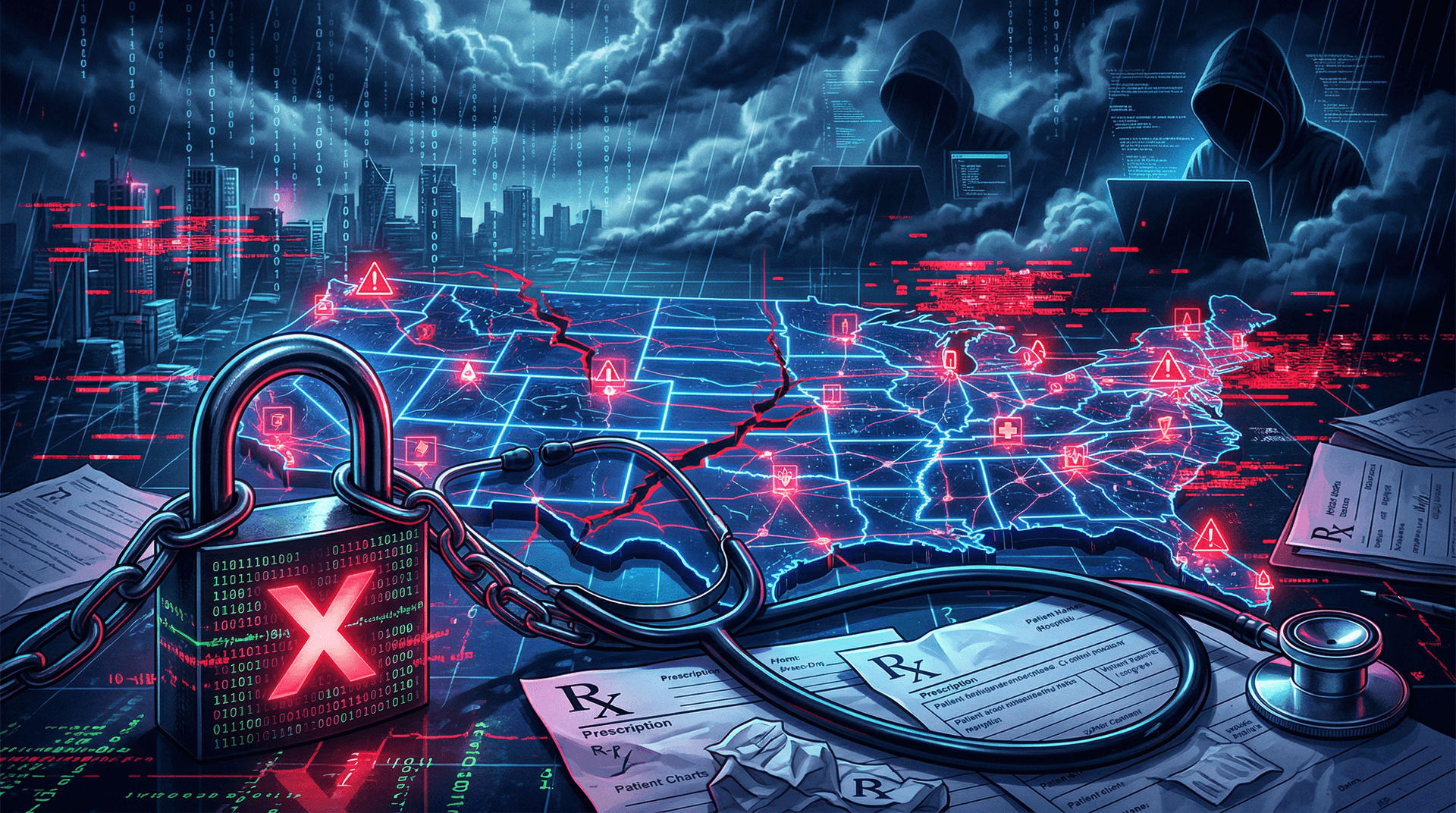
In a stark reminder of the fragility of digital infrastructure in critical sectors, Change Healthcare—a subsidiary of UnitedHealth Group handling one-third of US patient records and billions in daily claims—fell victim to a ransomware attack on February 21, 2024. The breach forced the company to take major systems offline, triggering widespread disruptions in prescription processing, insurance payments, and medical claims across the country. As of February 26, pharmacies from CVS to independent operators reported delays in filling scripts, hospitals struggled with billing, and providers faced cash flow crises.
Timeline of the Incident
The trouble began early on February 21 when Change Healthcare detected 'unusual activity' on its network. Within hours, the company disconnected key systems, including its Pharmacy Services and Claims platforms, to contain the threat. By midday, UnitedHealth Group confirmed the outage stemmed from a 'cybersecurity incident' and began contingency measures.
Ransomware group BlackCat (also known as ALPHV), notorious for high-profile hits like MGM Resorts in 2023, quickly claimed responsibility on its dark web leak site. They alleged stealing 6TB of sensitive data, including patient records, provider details, and financial information. While Change Healthcare has not officially confirmed the attribution, cybersecurity firms like Mandiant and CrowdStrike corroborated the indicators matching BlackCat's tactics, techniques, and procedures (TTPs), including Cobalt Strike beacons and custom encryptors.
This isn't BlackCat's first rodeo. The group, linked to Russian cybercriminals, has extorted over $300 million since 2021, often targeting healthcare for its high ransom yields due to urgency in restoring services.
Immediate Impacts: Chaos in Healthcare Delivery
The ripple effects were immediate and severe. Change Healthcare processes over 15 billion transactions annually, equivalent to 1 in 3 patient records. Pharmacies couldn't verify insurance, leading to cash-only sales or unfilled prescriptions—critical for patients reliant on daily medications like insulin or blood thinners.
Hospital systems, including Mayo Clinic and numerous regional providers, reported payment delays worth billions. UnitedHealth pledged to front $6.5 billion in advances to bridge the gap, but smaller practices without such backing teetered on insolvency. The American Hospital Association urged federal intervention, warning of a 'national emergency' in healthcare access.
Patient privacy is another concern. If BlackCat follows its playbook, stolen data could fuel phishing, identity theft, or sales on underground markets. Past breaches by the group exposed similar troves, leading to FTC scrutiny and class-action lawsuits.
UnitedHealth's Response and Containment Efforts
UnitedHealth activated its incident response plan swiftly. CEO Andrew Witty addressed employees and partners, emphasizing no evidence of data exfiltration at the time of disclosure—but that changed with BlackCat's claim. The company engaged top firms like Microsoft and Google Cloud for forensics and restoration.
Offline workarounds were deployed: paper prescriptions surged, manual claims processing ramped up, and alternative gateways like Optum's systems handled some traffic. By February 25, limited eligibility checks resumed for some users, but full recovery could take weeks.
Critically, no ransom payment has been confirmed, aligning with FBI guidance against paying attackers, which funds further crimes. The bureau is leading the investigation alongside CISA, classifying this as a 'nation-state caliber' threat despite BlackCat's criminal roots.
Why Healthcare Remains a Prime Target
Healthcare's cybersecurity woes are systemic. Legacy systems like EHRs from the 1990s coexist with modern clouds, creating patchwork defenses. A 2023 HIMSS report found 70% of providers lagging in multi-factor authentication, and ransomware incidents doubled year-over-year.
Regulatory pressures exacerbate risks: HIPAA compliance focuses on privacy over resilience, leaving gaps in zero-trust architectures or endpoint detection. Change Healthcare's size made it juicy—its Pharmacy Benefit Manager (PBM) arm influences drug pricing for 200 million lives.
Experts like Kevin Mandia of Mandiant note, 'Healthcare is low-hanging fruit: attackers know victims can't afford downtime.' Recent trends show 2024 ransomware shifting to 'big game hunting,' with affiliates like BlackCat demanding $20-100 million ransoms.
Broader Implications for Cybersecurity
This attack underscores the need for sector-wide resilience. The Biden administration's 2021 Executive Order on cybersecurity mandated improvements for critical infrastructure, yet healthcare trails. Proposed bills like the Cyber Incident Reporting Act (CIRCIA) aim to standardize disclosures, but implementation lags.
Lessons learned:
- Segmentation: Isolate critical functions to limit blast radius.
- Backups: Immutable, air-gapped copies proved vital here.
- Third-Party Risk: Change Healthcare serves 1 in 5 Americans indirectly; supply chain vetting is paramount.
- AI Defenses: Emerging tools like behavioral analytics could detect anomalies pre-breach.
Insurers like Optum and CVS Health (via Signify Health) face knock-ons, potentially hiking premiums. Stock-wise, UnitedHealth dipped 5% post-disclosure but stabilized, buoyed by its $370B market cap.
Path Forward: Building a More Secure Healthcare Ecosystem
Recovery timelines point to March for full restoration, per analyst estimates. UnitedHealth must navigate lawsuits, congressional hearings, and HHS audits. BlackCat's internal turmoil—leaders arrested in 2023, yet operations persist via affiliates—may hasten data dumps if no payout.
For the industry, this is a clarion call. Investments in cybersecurity must rival clinical tech spends. Initiatives like the Health Sector Coordinating Council's Cyber Working Group gain urgency, pushing for shared threat intel.
As Witty stated, 'We'll emerge stronger.' But only if the sector acts collectively. In an era where cyber threats rival pandemics, neglecting digital defenses risks lives and livelihoods.
Word count: 912