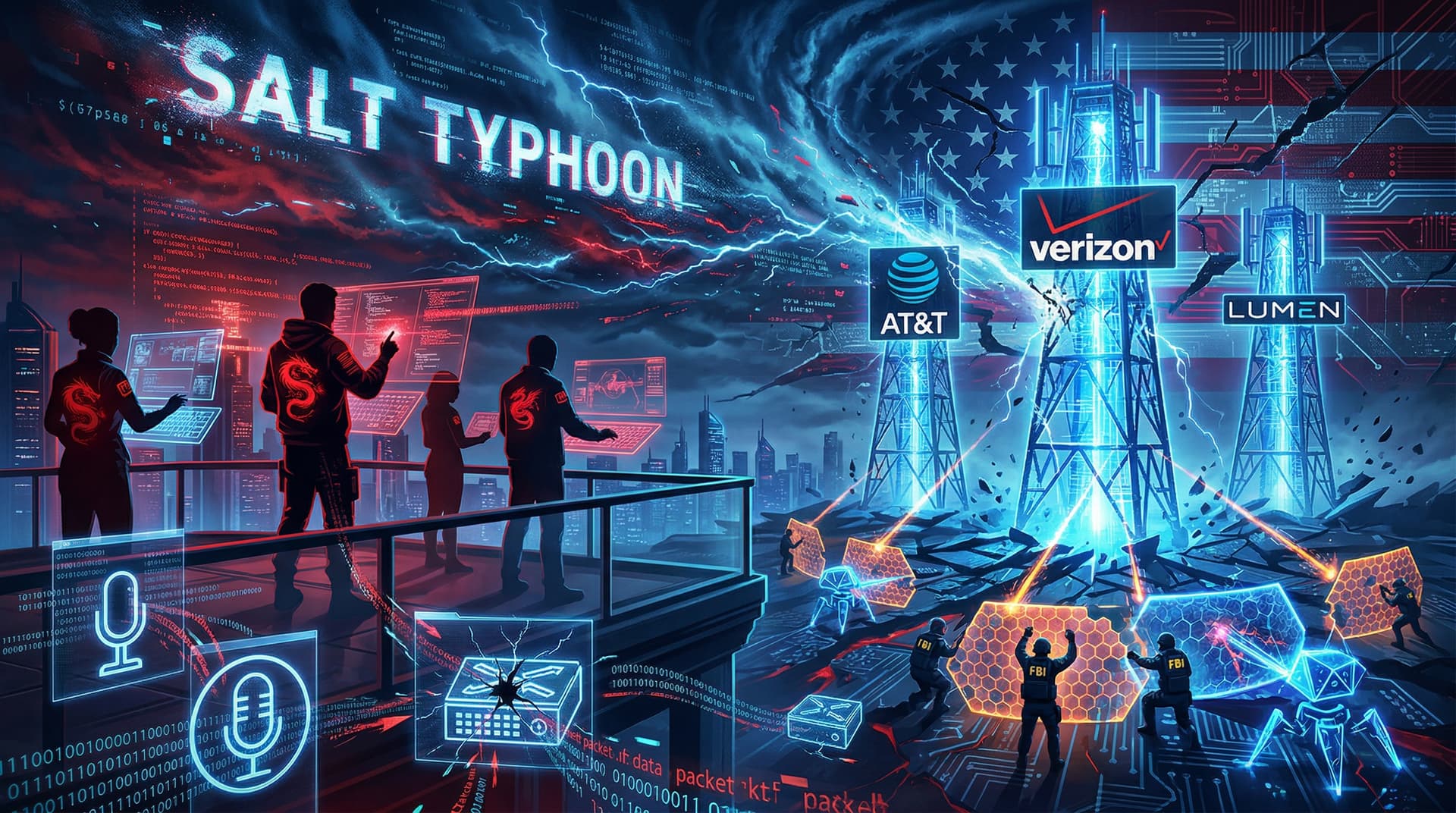
In a chilling escalation of cyber espionage, Chinese state-sponsored hackers operating under the moniker 'Salt Typhoon' have compromised the networks of several major US telecommunications companies. The Wall Street Journal first reported the intrusion on December 18, 2024, revealing that the hackers gained access to systems designed for lawful wiretaps—tools used by law enforcement to monitor communications under court orders. This breach, ongoing for months, potentially exposes the private calls and messages of high-profile US officials, including members of Congress and Trump administration figures.
The Scope of the Breach
The targets include AT&T, Verizon, Lumen Technologies (formerly CenturyLink), and possibly others. According to sources familiar with the matter, Salt Typhoon actors exploited vulnerabilities in network equipment, particularly Cisco routers, to establish persistent footholds. Once inside, they navigated to the 'lawful intercept' platforms, which facilitate surveillance authorized by the Foreign Intelligence Surveillance Court (FISC) and other judicial bodies.
This isn't a haphazard ransomware grab; it's sophisticated nation-state spying. Cybersecurity firms like CrowdStrike and Google-owned Mandiant have tracked Salt Typhoon (also known as GhostEmperor or Earth Estries) since at least 2023. The group is attributed to China's Ministry of State Security, focusing on intellectual property theft and intelligence gathering. In this campaign, they prioritized metadata and call records over full content decryption, though capabilities for deeper access remain unclear.
Verizon confirmed on December 18 that it detected 'highly sophisticated cyber intrusions' originating from China, notifying affected customers and the FBI. AT&T echoed similar statements, emphasizing containment efforts. Lumen reported 'unauthorized access' but downplayed immediate impacts. The FBI and Cybersecurity and Infrastructure Security Agency (CISA) are leading the investigation, with classified briefings delivered to Capitol Hill.
How Did They Get In?
Salt Typhoon's toolkit is advanced and stealthy. Researchers from Recorded Future detailed in October 2024 how the group deploys custom malware like 'Inhibitor' and 'GhostSpider,' which evade endpoint detection. They chain zero-day exploits with living-off-the-land techniques, using legitimate tools like PowerShell and WMI for lateral movement.
Entry points likely involved supply chain compromises or phishing spear campaigns against telecom engineers. Once in, they deployed rootkits on edge routers, creating command-and-control (C2) channels masked as routine traffic. This mirrors tactics in prior operations, such as the 2021 Microsoft Exchange hacks linked to China.
A key enabler: unpatched Cisco IOS XE vulnerabilities (CVE-2023-20198 and CVE-2023-20273), which CISA added to its Known Exploited Vulnerabilities catalog earlier this year. Telecoms, burdened by legacy infrastructure, often lag in patching due to uptime demands. Salt Typhoon exploited this gap ruthlessly.
National Security Implications
The stakes couldn't be higher. Wiretap systems handle intercepts for counterterrorism, espionage probes, and organized crime. Compromise could tip off foreign agents, reveal US intelligence sources, or enable disinformation. Reports suggest hackers targeted call records of political figures like Sen. Markwayne Mullin (R-OK) and Rep. Don Bacon (R-NE), heightening fears of preemptive surveillance ahead of the 2025 administration transition.
This fits a pattern of Chinese cyber aggression. Just weeks ago, on December 13, Microsoft disclosed Midnight Blizzard (Russian) accessing its systems, but Salt Typhoon dwarfs that in scope. US officials worry about 'redline' crossings, invoking memories of SolarWinds (2020) and Colonial Pipeline (2021).
Experts are sounding alarms. "This is a direct assault on our communications backbone," said Dmitri Alperovitch, co-founder of CrowdStrike. "Telecoms are the eyes and ears of law enforcement; blinding them empowers adversaries."
Industry and Government Response
Telecom giants are scrambling. Verizon and AT&T have isolated affected segments, rotated credentials, and deployed AI-driven threat hunters. CISA issued an emergency directive on December 18 urging critical infrastructure to hunt for Salt Typhoon indicators of compromise (IOCs), including specific IP ranges and malware hashes.
The Biden administration, in its final weeks, is weighing sanctions. FCC Chairwoman Jessica Rosenworcel called for a 'sector-wide audit.' Meanwhile, lawmakers demand briefings; Senate Commerce Committee Chair Maria Cantwell (D-WA) vowed hearings in January.
Private sector collaboration is ramping up via the Joint Cyber Defense Collaborative (JCDC). Firms like Palo Alto Networks and FireEye are sharing threat intel in real-time.
Broader Context: US-China Cyber Standoff
Tensions simmer amid trade wars and Taiwan Strait saber-rattling. China's 2024 cyber ops surged 150%, per Microsoft Threat Intelligence. Salt Typhoon joins APT41 and Volt Typhoon (targeting US utilities) in Beijing's arsenal.
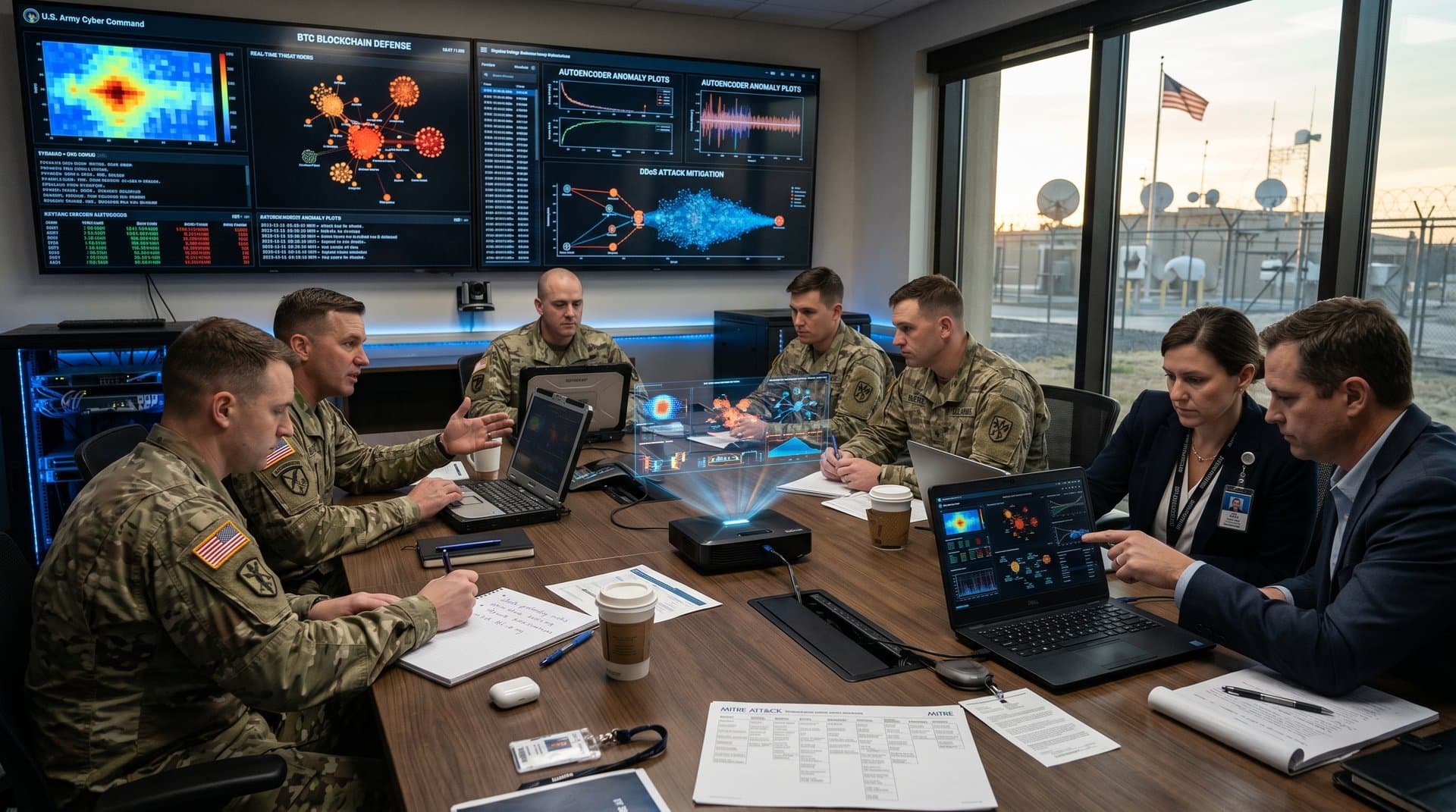
Defenders counter with attribution and disruption. US Cyber Command's 'Hunt Forward' operations have evicted Chinese actors from allied networks. Yet, asymmetry persists: China's vast resources versus fragmented US defenses.
Lessons and Path Forward
This breach underscores telecom vulnerabilities. Recommendations include:
- Zero-trust architecture: Segment wiretap systems from production networks.
- AI anomaly detection: Spot subtle C2 beacons.
- Vendor accountability: Mandate timely patches for routers.
- Quantum-resistant crypto: Future-proof against harvest-now-decrypt-later.
As a senior tech journalist, I've covered countless breaches, but Salt Typhoon's audacity stands out. It demands a 'cyber Manhattan Project'—unified public-private R&D to outpace foes.
By December 19, 2024, the full damage tally remains elusive, but one thing's clear: in the shadows of cyberspace, the US must fortify or risk blindness.
Word count: 912